
The debate over Kriti Sanon’s Raksha Bandhan advertisement for jewellery brand GIVA has picked up on social media again and users are comparing Sanon’s cringe-worthy campaign with a festive look of actress and entrepreneur Tamannaah Bhatia.
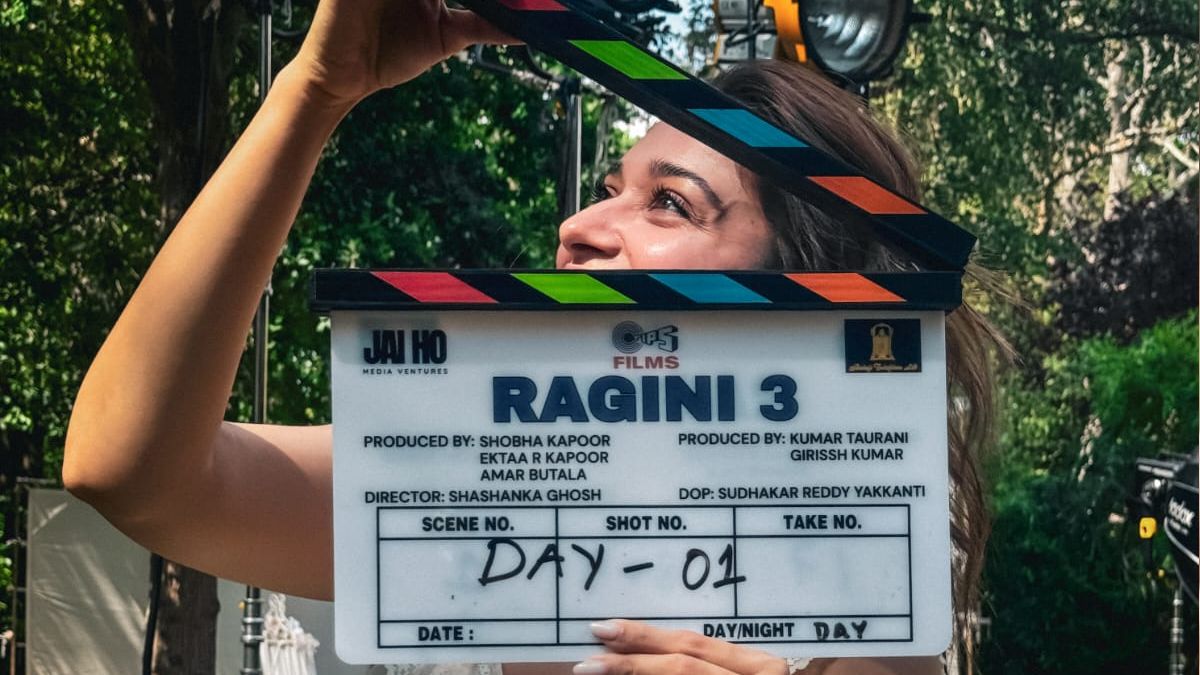
Kriti Sanon’s GIVA campaign was the most talked about in online discussion for the outfit she wore in the Raksha Bandhan-themed ad. Social media users criticised the Indo-Western look of the brand (especially the bralette-style blouse) suggesting that it was not appropriate festive attire. Kangana Ranaut (actress and politician) also criticised the campaign. Sanon defended her outfit and wondered why women are still criticized for what she wears.
GIVA finally withdrew the advertisement. The brand said it respected Indian culture, traditions and festivals and withdrew the campaign after the backlash.
In this context social media users began to praise Tamannaah Bhatia’s festive style as an example of how jewellery can be displayed alongside a more traditional Indian aesthetic.
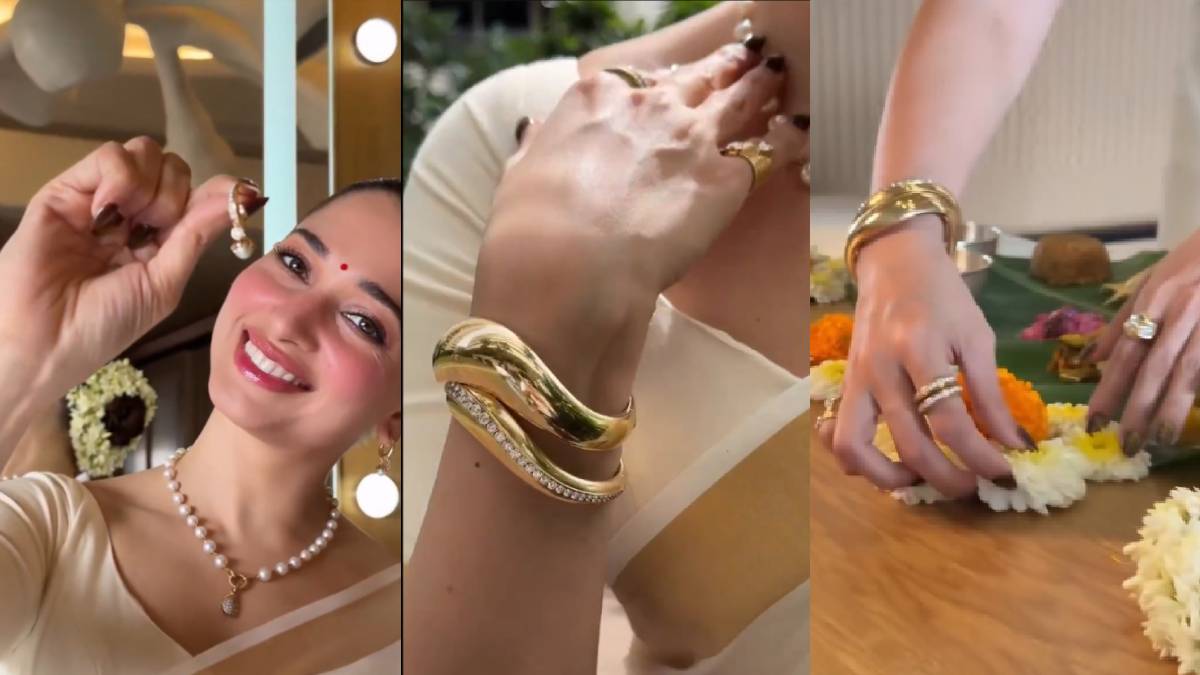
Tamannaah is seen in a white and gold saree and wears jewellery such as a pearl necklace, rings and bangles. A bindi and old-school music also contribute to the festive visual presentation. Some users praise the overall styling and argue that it’s much more in line with the atmosphere of an Indian festival.
Tamannaah’s association with jewellery is more than a celebrity endorsement. In 2026 she started Tamannaah Fine Jewellery as a fine jewellery label, moving into entrepreneurship after years in the film industry. The brand is built around the idea that jewellery is “beyond the occasion” and has designs for everyday wear as well as special moments.
Her own connection to jewellery goes back further. According to the brand's official profile, Tamannaah grew up in her father’s jewellery business and developed an understanding of jewellery as something that was connected to fashion but also rituals, memories and stories.
That background makes her appearance especially relevant to jewellery advertising. Rather than positioning jewellery as a piece of glamour to be worn only in high fashion, Tamannaah’s brand has tried to connect modern design to how Indian consumers actually wear jewellery in their day-to-day lives.
Her brand’s official philosophy also emphasizes versatility, comfort and personal expression. Its collections include necklaces, earrings, rings, bracelets and high-jewellery pieces, and the brand describes its designs as appropriate for different moods and occasions.
Social media comparison Sparks Debate
While many social media posts have depicted Tamannaah as “showing how it’s done,” the comparison has also opened a wider discussion about celebrity fashion, cultural representation and advertising.
Some users have appreciated the traditional attire; others have said actresses shouldn’t be judged on the basis of clothes. The debate is therefore not just about sarees vs. modern clothes but also about how festivals should be depicted in the commercial advertising of festivals.
It’s important to distinguish between social media opinions and established fact. There is no basis for generalising that actresses from one region respect Indian culture while actresses from another region do not. North and South Indian film industries include artists who embrace traditional clothing as well as artists who experiment with contemporary fashion.
The more relevant issue is how campaigns choose to represent specific cultural occasions.
In Kriti Sanon’s case, the debate was about whether the styling of the GIVA advertisement was appropriate for a Raksha Bandhan campaign. Sanon argued that culture and traditions are not only determined by clothing but also by tradition - and the brand ultimately chose to withdraw the advertisement after public outcry.
Tamannaah’s appearance, meanwhile, has given social media users a contrasting visual example: a saree, traditional jewellery, bindi and festive presentation that many viewers immediately associate with Indian celebrations.
The timing has made the look particularly effective from a social-media perspective. So as GIVA continues to spark debate, Tamannaah’s jewellery-centric festive styling has gained attention as well.
Finally, the contrasting responses demonstrate the difficulty brands face in designing advertising campaigns on culturally significant festivals. Fashion is always changing, but festive advertising also carries expectations of context, symbolism and cultural sensitivity.
For Tamannaah Bhatia, the episode also serves to highlight Tamannaah Fine Jewellery, a brand she created with a commitment to incorporating contemporary luxury and comfort and a touchstone for Tamannaah Fine Jewellery – a brand that she has started to her own personal relationship with jewellery.
Tamannaah’s traditional look has certainly become part of the wider conversation about celebrity fashion, jewellery advertising and the changing definition of cultural representation in Indian popular culture.











Comments
Please to leave a comment on this article.