

Tigmanshu Dhulia Takes Aim at Dhurandhar’s Story, Questions Bollywood’s Repeated Commercial Formula
Tigmanshu Dhulia has brought into focus the storytelling style of mainstream Hindi cinema today after asking if Ranveer Singh starrer Dhurandhar had a ‘basic’ narrative. Though he said he liked the way the film was presented and enjoyed the first half, he questioned whether its central premise could really be called a story. His comments have once again put commercial filmmaking, originality and audience expectations on the table.
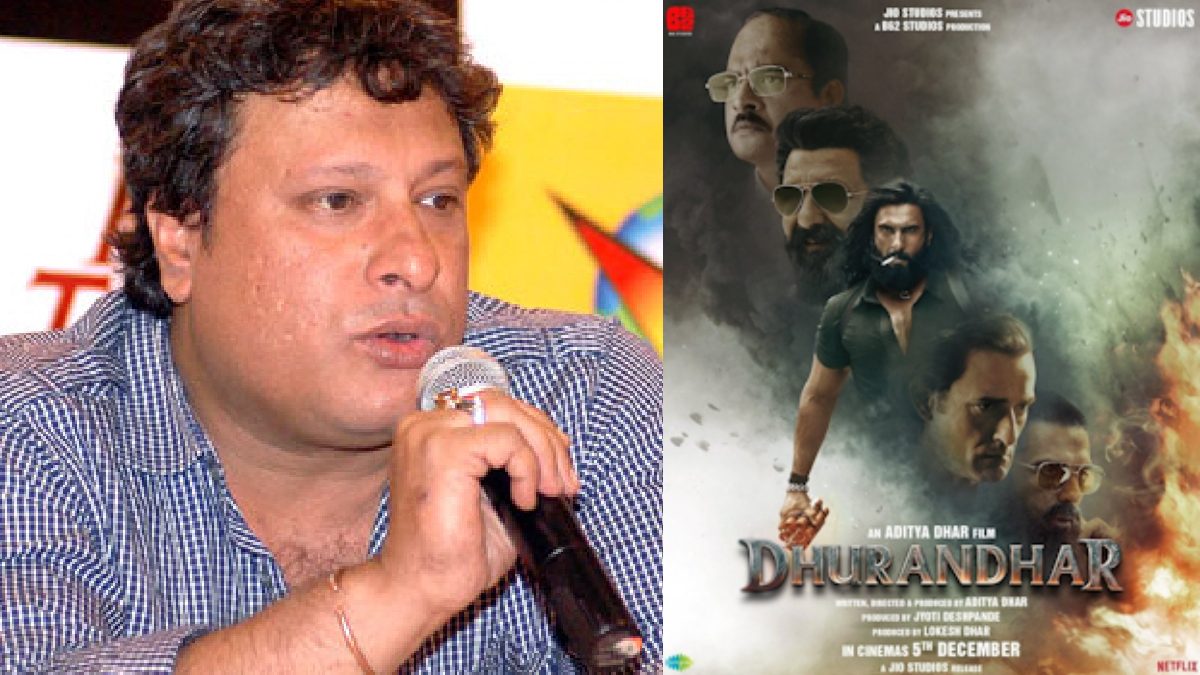
At an event in Delhi Tigmanshu Dhulia said mainstream cinema’s priorities have changed over the years. “Many big budget movies today seem to be built around a familiar commercial template- spectacle, bigger than life characters, action and presentation trump strong narrative”; filmmakers are afraid of trying unconventional stories because they have to deliver box-office success now.
Dhulia was talking about Dhurandhar when he said that. He liked the first half of Ranveer Singh’s film but didn’t like the basic premise of it say a character travels to Pakistan and wreaks havoc there doesn’t mean he has told a story. He was commenting on the trend not just on why people liked the film (which is also why people liked it).
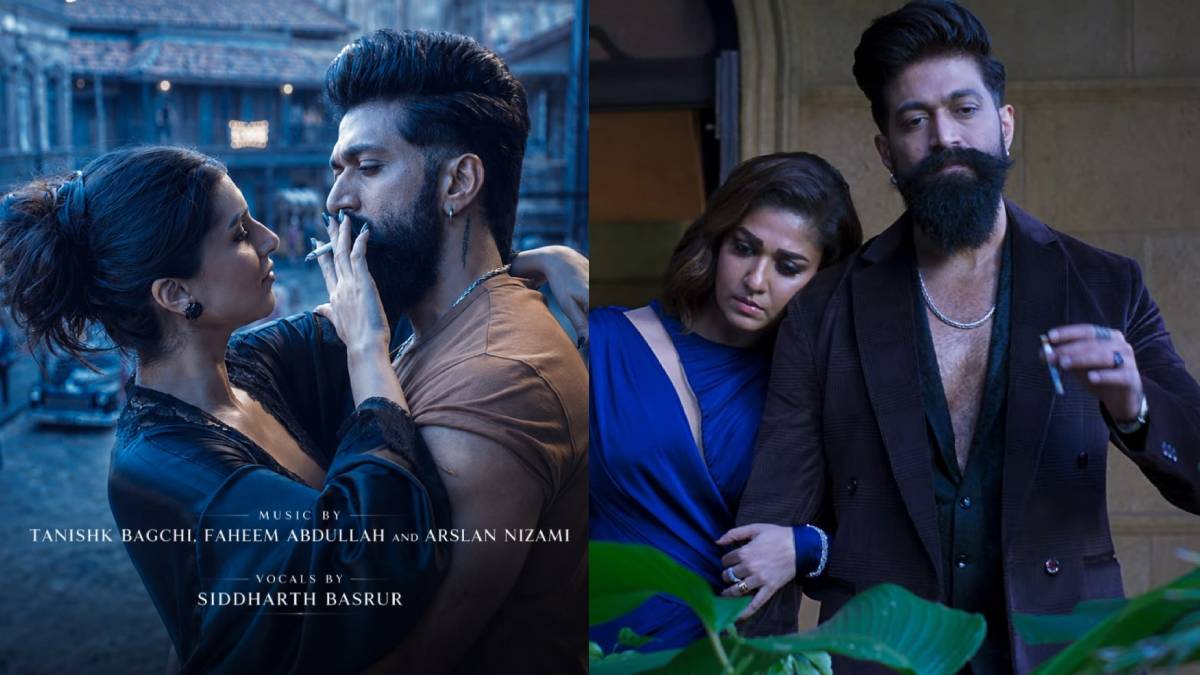
He also compared Dhurandhar with other commercial franchises- Pushpa and KGF saying “fictional biopics” (because they show protagonists as larger than life), build elaborate cinematic worlds around central characters (“they tend to do that”). His remarks suggest that modern commercial cinema is becoming more reliant on recognisable character templates and familiar narrative structures.

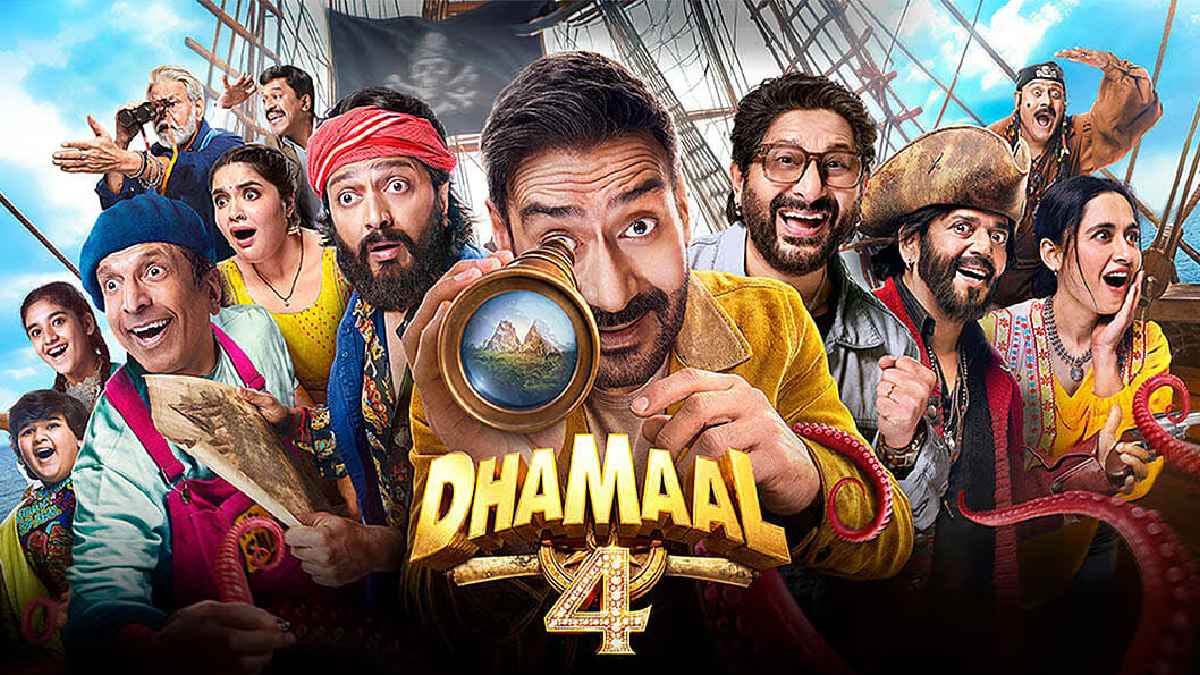
Dhulia then linked this trend to corporate culture and what he called “extreme capitalism”. Commercial pressures grow, he says, the more commercial a project is, the less creative freedom there will be. If the financial stakes attached to it are very high studios and filmmakers may not want to take risks on unfamiliar subjects or unusual storytelling techniques.
His criticism comes at a time when spectacle-driven Indian cinema is increasingly popular with audiences. KGF, Pushpa and Dhurandhar have shown that high octane action dramas with powerful protagonists, stylised presentation and world building are huge box office earners; they’ve also shown audiences are willing to take stories on heightened, larger than life scale.
At the same time Dhulia’s comments raise an important question about what a film’s premise and story are: a premise can set up a movie but a complete story has character development, conflict, motivation, emotional stakes and narrative progression too, his argument seems to be that some contemporary blockbusters rely so heavily on premise, presentation and spectacle that the underlying story is secondary.
Dhurandhar (Aditya Dhar, Ranveer Singh) is not a huge hit but it’s nonetheless a major commercial success. The franchise has an A-list ensemble cast including Akshaye Khanna, Arjun Rampal, R Madhavan and Sanjay Dutt. It has further boosted the popularity of large scale action films in Hindi cinema.

The franchise’s reported box office performance has also made it one of the biggest commercial properties of recent Hindi cinema. Dhurandhar: The Revenge (the second instalment) reportedly tops the list of highest grossing Hindi films while first film is among top performers. That scale of success shows that kind of cinema Dhulia is questioning has an audience.
But commercial success doesn’t have to mean critical success either. A movie can be a blockbuster because of performances, music, action, production design and the overall cinematic experience but also because of narrative construction, Dhulia’s comments make exactly that point.
His comments are therefore less about whether audiences should be allowed to enjoy Dhurandhar films and more about where mainstream Hindi cinema is going. Studios will continue pouring money into franchises and event films so the challenge for filmmakers will be to marry commercial appeal with fresh characters and genuinely distinctive stories.
For audiences that debate is only going to intensify. Big screen spectacle is still there but people also want new stories and different voices in the film industry. Tigmanshu Dhulia’s comments have given another dimension to that conversation: are Bollywood’s biggest successes really presenting new stories or just repackaging familiar formulas on a much bigger scale?


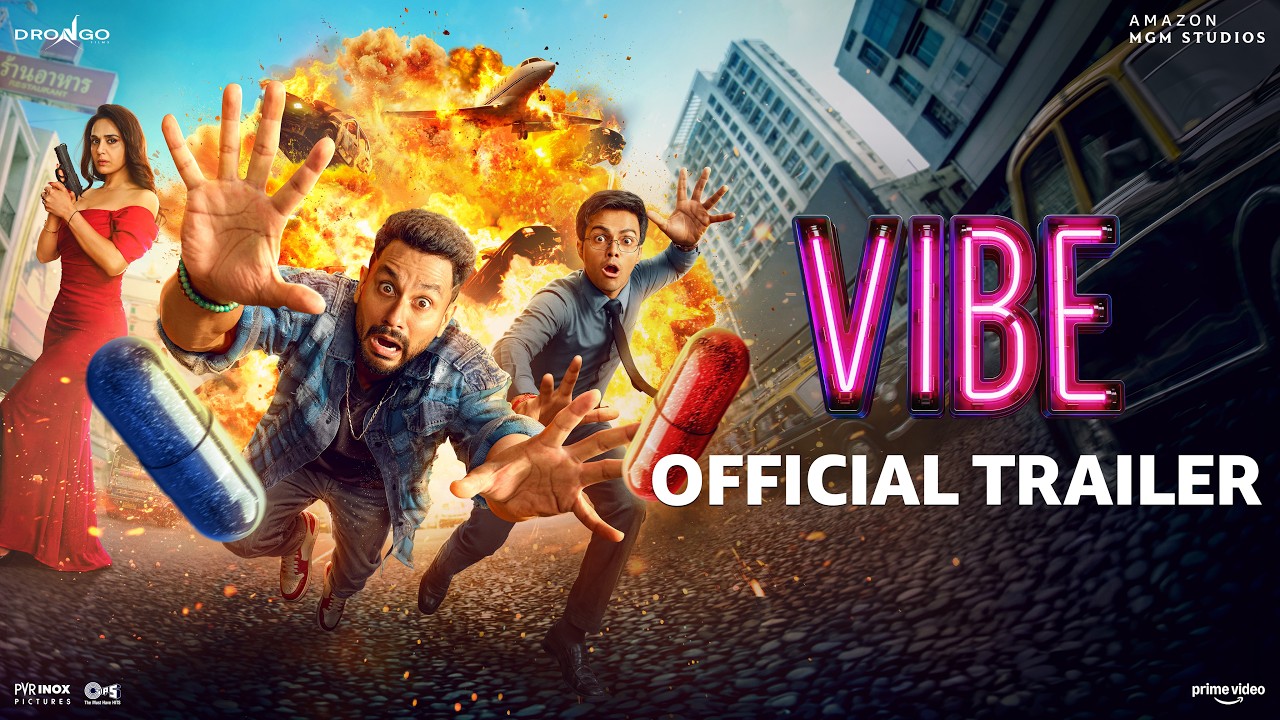
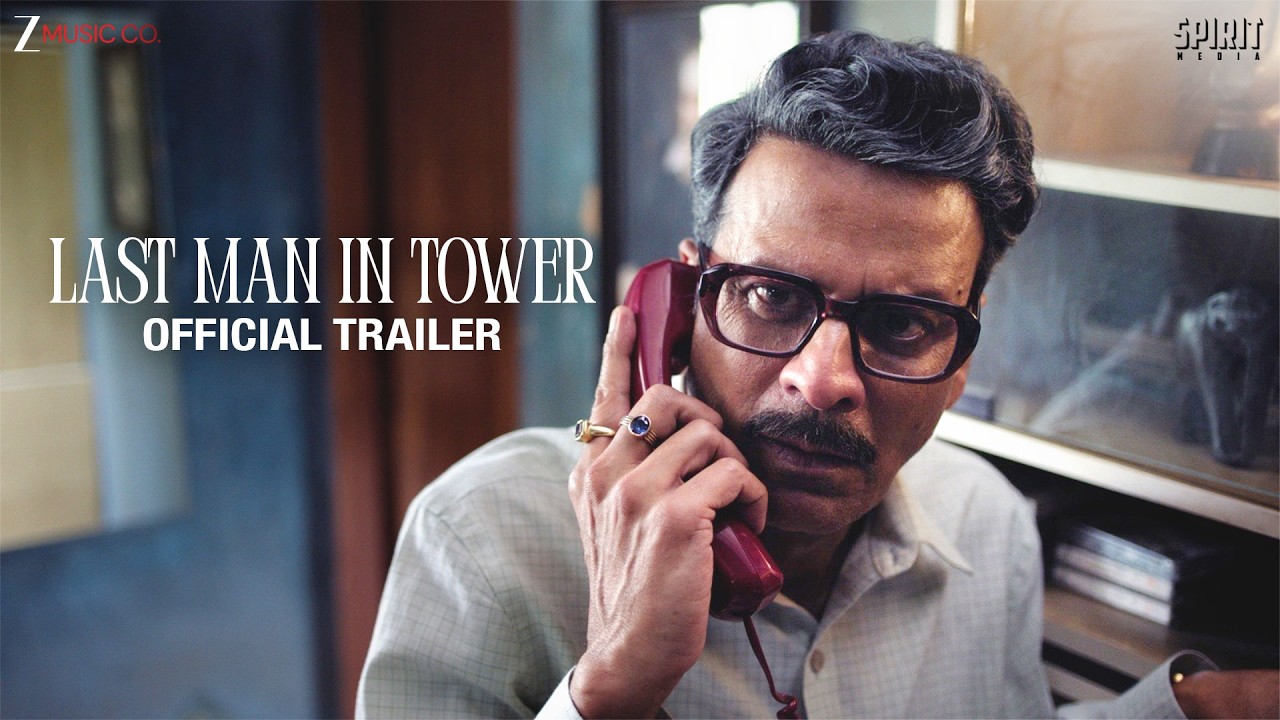
 Latest Movies Trailer





Comments
Please to leave a comment on this article.