
Yash’s Toxic: A Fairy Tale for Grown-Ups is once again grabbing attention for a language strategy that might be a big deal for Indian cinema. The film is being presented in English as a movie shot in the language itself rather than as a dubbed version, and in Kannada. The project’s simultaneous Kannada-English production and global placement has been featured in news and industry.
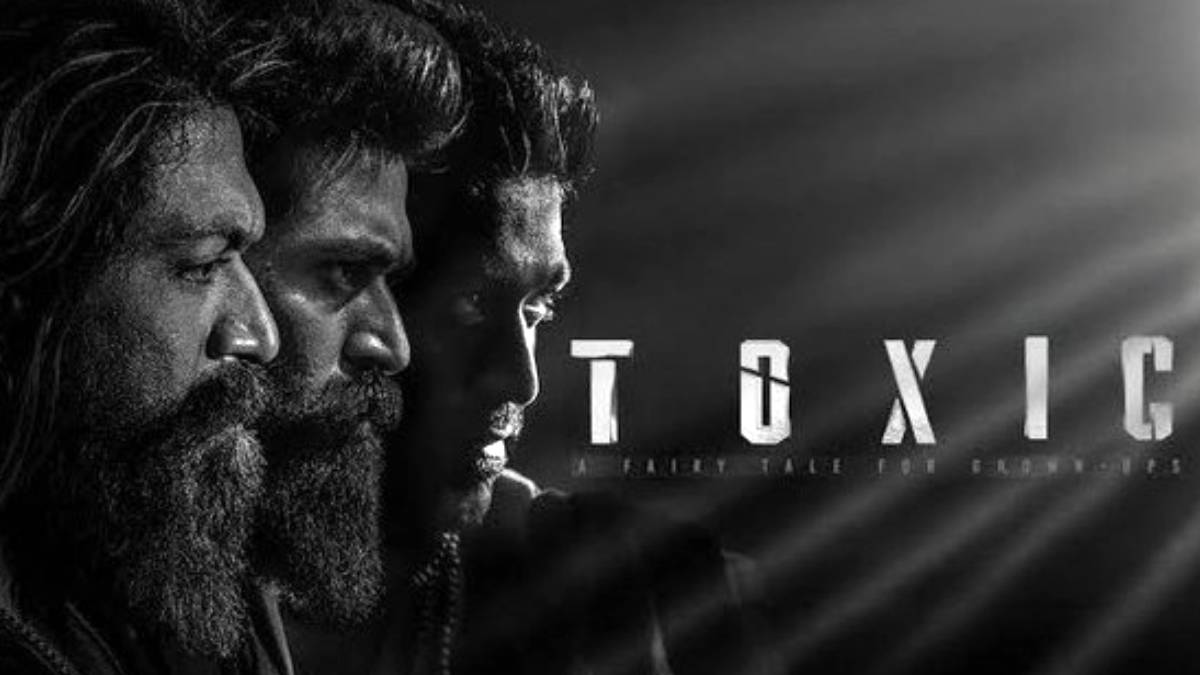
The latest buzz on the movie is that Toxic is the first Indian film to be released in English without dubbing, and fans take it as another significant achievement for Yash. While the “first Indian film” claim should be seen as a promotional or industry-specific claim rather than an independently established historical fact, Toxic is doing something unusual for a major Indian star vehicle.
Unlike the traditional approach in which an Indian-language film is later dubbed into English for overseas audiences, Toxic was shot simultaneously in Kannada and English. Yash himself spoke of the English-language production at CinemaCon 2026, saying it was the first time the film had been shot in English as well.
That distinction is important because dubbing and original-language filming can have very different results. In a dubbed film, the original performances are still the same but dialogue is replaced with another language. Toxic’s English version was created during production so that the actors could do the scenes in English instead of simply getting the Kannada dialogue replaced later.
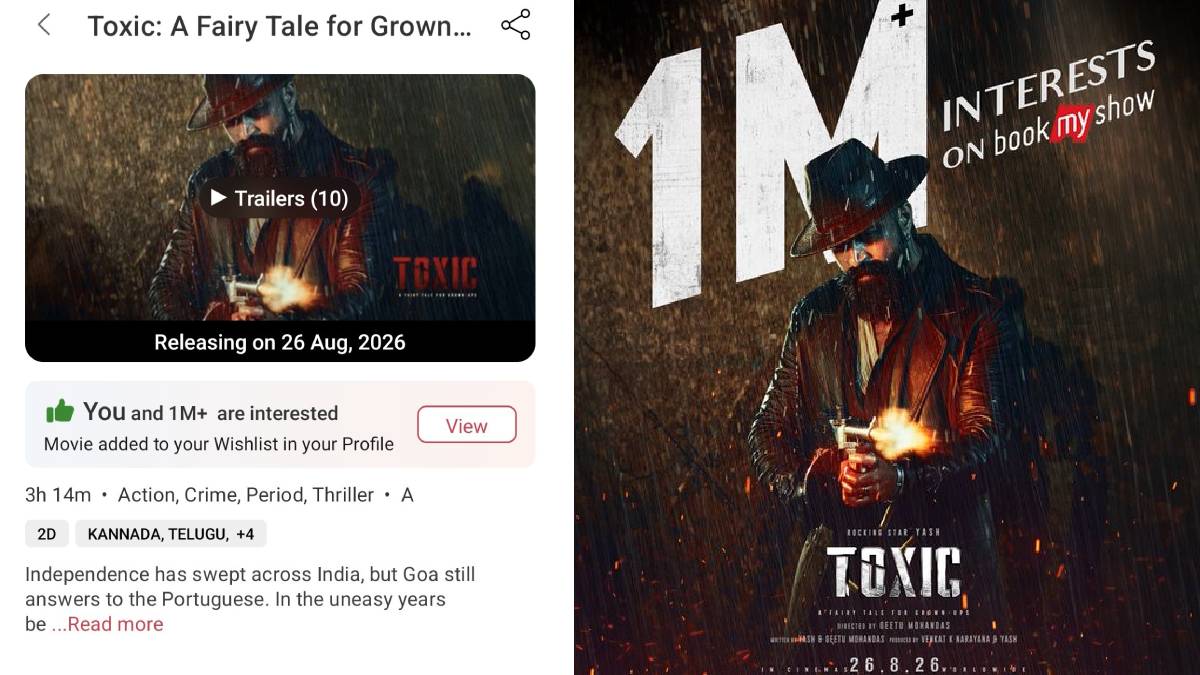
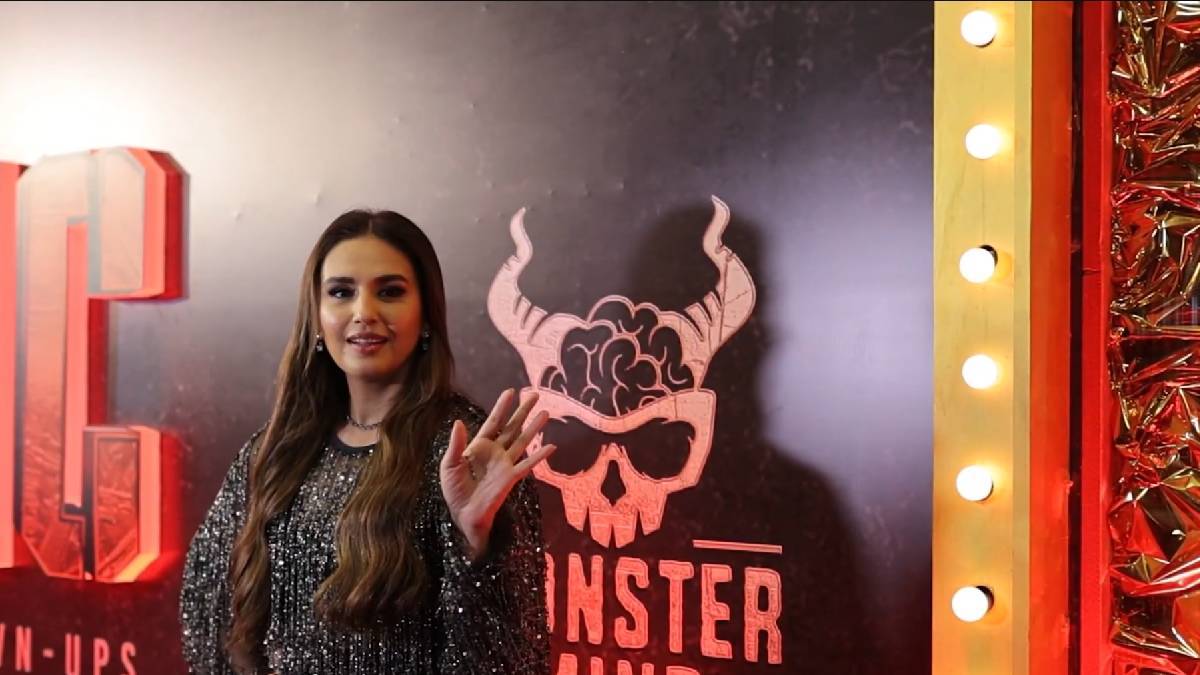
The strategy suits the film’s global ambitions. Toxic is a huge gangster drama that’s intended to appeal to the masses beyond Kannada audiences. Yash stars here alongside Kiara Advani, Nayanthara, Huma Qureshi, Tara Sutaria and Rukmini Vasanth and is an ensemble to be recognized in various Indian markets.
The international distribution strategy has also reflected this difference. In the previous report on the overseas deal, Phars Film acquired rights to the film’s Indian-language versions while the English-language version was not part of that agreement.
That separation indicates that the English version is being treated as an important part of the movie’s global distribution strategy rather than just another dubbed language.
The development could be crucial for Indian cinema’s hopes to reach international audiences. Indian films that have travelled abroad have historically relied on subtitles or dubbed versions. Making a major Indian film in English as a separate language version might make it more accessible to people who don’t speak Indian regional languages.
But the decision has creative challenges of its own. Dialogue, humour, emotional delivery and characterisation should be able to work in English as opposed to just translated. Thus, both versions of the performances must have the feel of being authentic.
For Yash, it is another step in his transition from a major Kannada actor to a global Indian film personality. His KGF franchise established his pan-India popularity, while Toxic seems to be taking the next step by targeting an even broader international audience.
The film has already attracted global attention and an English-language trailer was released prior to its theatrical release. According to Variety, the English trailer was released with Prime Media Studios handling North American distribution and, as a result, the international strategy of the project is evident.
When Toxic is released on August 26, 2026, the English-language version will become one of the movie’s most important talking points.
If the strategy works, Toxic could set a new template for Indian filmmakers who want to make truly international releases— in which English is not just an afterthought or dubbed substitute, but is part of the film’s production process.
For Yash and his team, the ambition is clear: take a Kannada-born star and story to a global audience without losing the scale and identity of Indian cinema. Whether Toxic eventually becomes a historic benchmark will depend on its reception, but its bilingual production approach has already made it one of the more ambitious Indian film experiments of 2026.












Comments
Please to leave a comment on this article.