
Paris Jackson has once again opened up about some of the most difficult chapters of her life: her mental health issues, substance use and past suicide attempts. The only daughter of the late Michael Jackson, Jackson has spoken out about them publicly since then.
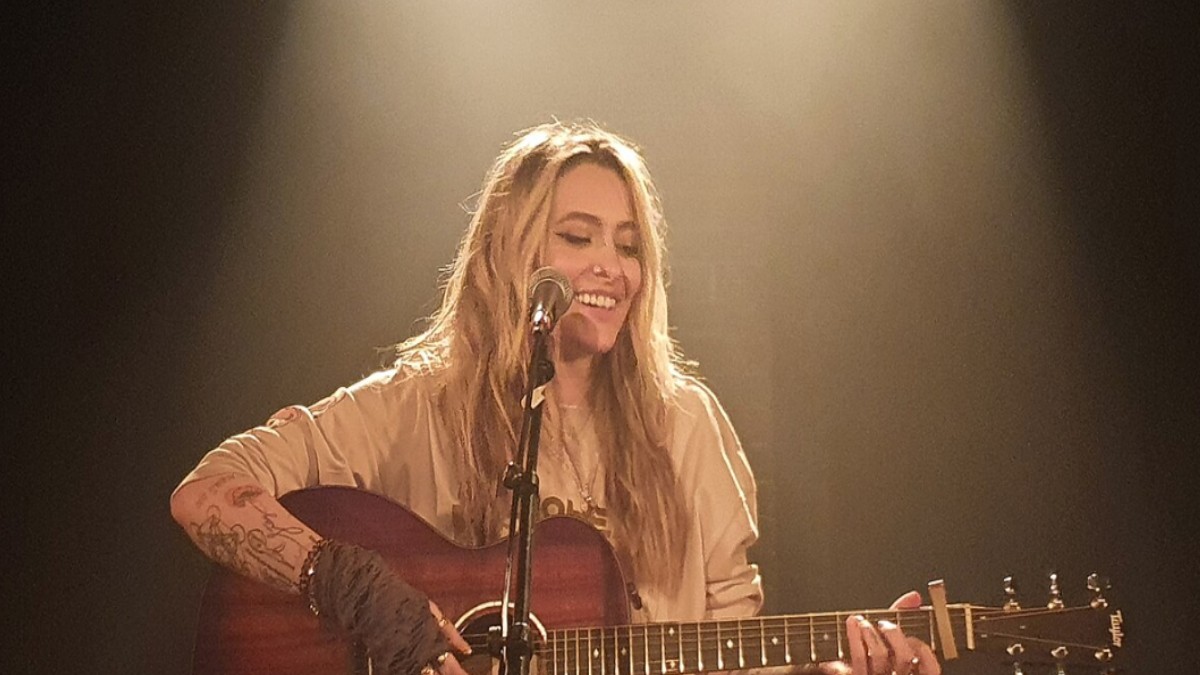
Jackson was open in her interview and about mental health over the years. She has had so many stories since she first spoke about her problems as a teenager. She had depression, anxiety and really tough emotional issues growing up. She’s also written about recovery in recent interviews and that getting sober does not mean one of the problems disappears.
The biggest change in Jackson’s life over the years is her sobriety she has not only remained clean, but that she has turned into a person who is able to deal with difficult emotions and living a good life in this world of hers. And she has also stressed to us all that recovery does not mean that there are no easy answers to problems and that people who are in recovery are still going to be in difficult times and have to find a way out of it.
Jackson has also expressed how mental health problems will persist even after someone has stopped using substances. In a text message earlier this year she said her mental health was challenging and some of the time after sobriety has been very difficult. What she was saying is that recovery from substance use is not the same as emotional well-being and progress in one of the areas does not necessarily mean that care will continue.
Jackson uses therapy to check her well-being. She has mentioned working with mental health professionals and going a whole lot further in treatment over the years. She has talked about the need for professional help with depression, obsessive-compulsive symptoms and trauma-related issues and meditation and prayer as part of the whole group of practices that help her get balance.
Her openness to talk about professional treatment was all the more striking because recovery from mental health can be a process of trying things out and finding the right solution for someone. Jackson has described the need for care and not a single method to be followed to provide everyone’s best support and continued involvement.
Jackson is also into meditation and spirituality. Prayer has become another part of the framework she uses in difficult times, and so too therapy and other forms of emotional support. Instead of saying that one practice will answer every problem, her comments show how more than one method can be used to help her through stress and emotional trauma.
Music has also been instrumental in Jackson's recovery. As a musician and songwriter she often described creative expression as very important to her life. In July 2026 she stated that music helped her through difficult periods before sobriety and was still very much in her life after it.
Her creative work also helped to process complicated emotions and experiences. Jackson will be releasing her second solo album Happiest Day of My Life in August 2026. Recent coverage has linked some of the themes of the project with treatment, recovery and emotional growth.
Jackson’s story is inextricably linked to the years of growing up in an incredibly famous family. She lost her father, Michael Jackson, when she was 11 years old and has spoken of his death before. She has said over and over about grieving, public scrutiny and the struggle of growing up in the media environment.
Her childhood and teenage years have been described in several interviews, Jackson has said she had such emotional difficulties as a teenager. And in recent conversations, she has revisited some of the treatment she received as a teenager, including a residential program in Utah. Jackson has said that her experience there caused lasting trauma, and that is in contrast to how she described the experience in some earlier interviews.
The way Jackson talks about her past now shows that recovery requires looking back at experiences over time. People may come to understand difficult times differently when they get older, see things differently and need more help. Jackson has used her public platform to discuss those things.
Jackson’s comments about her previous suicide attempts are significant in the larger conversation about mental health and recovery. She has spoken of surviving those periods and going on to create a life that is creative in nature and a life of relationships and professional support and healthy coping mechanisms. What she talks about in her recent conversations is how she lives in the present and how she still has battles that she is struggling with—not what the past crisis was like.
Her story has been of interest to many people because it doesn’t mean recovery is forever and never a new chance of recovering. Jackson publicly acknowledged that difficult periods can reemerge when she’s recovered and so do these days. She has built the tools to deal with them without falling back into destructive patterns.
Jackson’s experience underlines the need for professional support when mental health problems become so overwhelming. Therapy, medical treatment, trusted relationships and any other support can all help in recovery. Her public comments do not suggest one approach works for everyone; they are emblematic of the individual nature of mental health treatment.
She is more often than not talking about what’s going on with her in music and entertainment and in the music industry and she has come to feel more comfortable talking about the reality of her public image when it comes to Paris Jackson, all in the name of a career in music and entertainment.
And she’s not only doing her job well, but she is, as she continues to be an artist in her own right and not just in the shadow of the enormous legacy of her father.
Her last reflections describe recovery as an ongoing process based on awareness, support and resilience. Jackson has not suggested that life is always easy after sobriety—but that emotional obstacles do come with it. What has changed, she says, is the tools and perspectives she has in order to handle those times.
For Jackson, those tools are therapy, meditation, prayer, creative expression and professional mental health care. Her continued sobriety and wellbeing provides a more nuanced picture of recovery one that acknowledges the progress but also the difficult days. Paris Jackson’s story as she prepares for the release of her new music remains one of growth and artistic development.
Her willingness to publicly share her past has allowed her to reach audiences outside her famous family name, and to bring mental health and recovery to the fore in public and to help other people listen and talk about her, and the importance of seeking help.
Her journey is ultimately a reminder that recovery is not necessarily about not feeling any sort of pain. Instead, it can be about learning to navigate them in a healthier way, maintaining relationships and getting care. Jackson's new comments show she is still committed to that and to music and life and to her career and life in general.












Comments
Please to leave a comment on this article.