
Nikki Walia has spoken to Zoom exclusively about why she left Bollywood and settled down in TV and described some of the experiences that influenced her professional life in great detail.
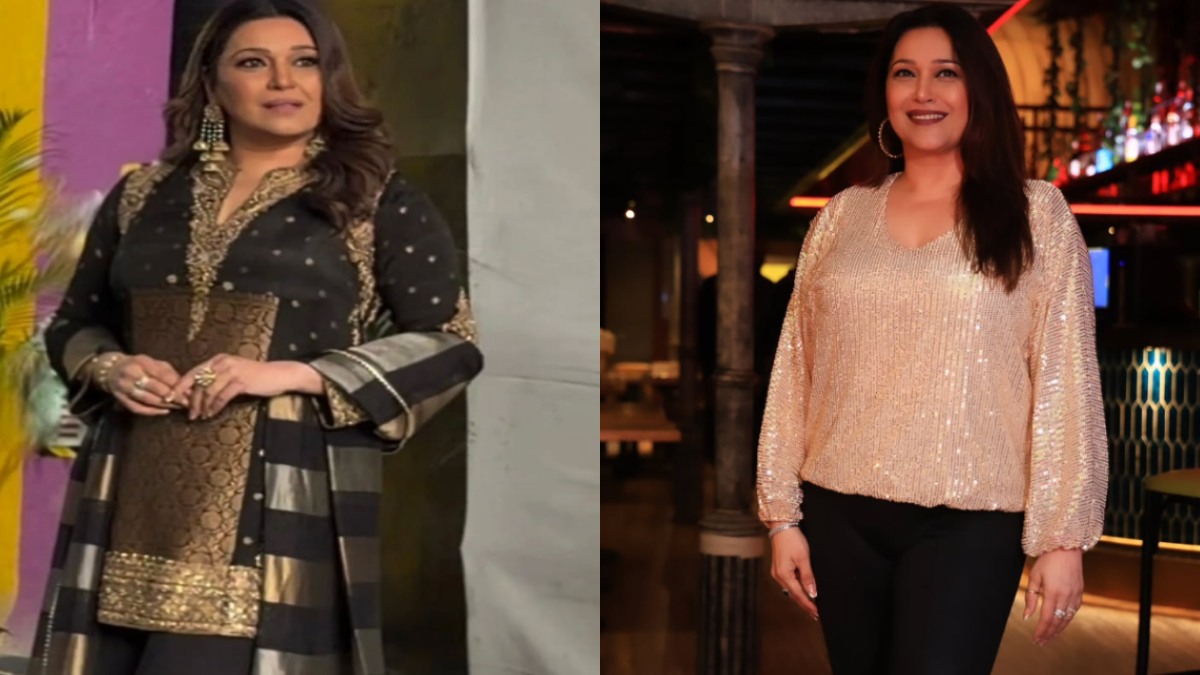
Walia’s comments have also attracted attention because they touch upon the way that women were spoken about and treated in certain professional spaces in a certain professional world.
The actor said that more than the types of unreasonable, “stupid” demands women are sometimes subjected to, she was surprised to hear people talk about women around her. She remembered hearing casual remarks and being present in conversations about women in which women were treated in a very objectifying manner.
For Walia, the actor’s recollection shows more about the atmosphere she experienced at the time. Her departure from films wasn’t just a matter of not having opportunities but of being a character in a different environment, Walia said. And those feelings of comfort, values and what kind of work environment an actor wants to work in are as important as job opportunities, she said.
Walia did not paint her experience as a simple case of one side being right or wrong and the other one wrong. She said she saw it as a matter of temperament and outlook. The “nature” of the film industry and her own nature were different, in her words, and neither side was necessarily wrong. And so her comments have a more nuanced context and you can see that her answer was ultimately because she wanted to choose an environment that was better suited for her.
Television became that space for Walia. Indian television had given her the chance to build a career while playing characters who connected with audiences for a long time. A film is limited to a short time whereas on TV a character can be seen for months or even years. And in so doing, actors can be able to build more visibility and have a closer relationship with viewers.
Walia’s professional career is a measure of the impact television has had on many Indian actors’ careers. TV has helped people work at the craft of television and reach the masses in India for so many decades. It can catapult successful television characters to household names, and even actors can have a good career if they are successful television characters without ever becoming movie stars.
Her decision also illustrates that career paths in entertainment are not always linear. A professional actor might go into the industry wanting to be in films but come to realize that another medium is better for him and his career. Walia is moving to TV because the world is so much more favorable for her and she’s working there.
The comments also come at a time of greater dialogue about the treatment of women in Indian entertainment. Female actors are saying more about how much they would like to be treated as professionals and as artists and not as their looks. The concept of objectification and work environment and what kind of jobs women get has never had such a big presence in the entertainment industry.
While the industry has changed significantly over the years, concerns about the representation and treatment of women are still part of public conversations around cinema. And as streaming platforms are gaining popularity and character-driven stories are gaining popularity, actors, especially women who want to get big roles, get more opportunities. And audiences are more willing to interact with actors in different mediums today.
Walia’s comments stand out among these changes as they show the power of television as a platform. At the time when films were considered the ultimate destination for actors, television might look different. Today, that distinction is much less rigid. Film actors are often seen on television and streaming projects, and television performers have made it into movies and digital productions.
It also shows how important workplace culture is. Production is a highly collaborative business and actors have a lot of time to work with directors, producers, co-stars, technicians, and other members of a production team. So an actor’s workplace environment with respect is the one that will be the most impactful.
The decision to leave the film industry for Walia seems to have been less to do with rejecting cinema than to find a professional space to fit her personality. Her assertion that she and the industry didn’t “do anything wrong” is very much in line with the way she sees it, a compatibility rather than a blame-sharing decision.
TV was later one of her major accomplishments in her career and she was able to engage with audiences long enough in a meaningful way. And in the case of film-industry work, her medium also allowed her to form an identity separate from the expectations she had in the film industry.
The actor’s own honest recall also resonated with me because it is emblematic of a greater question for so many performers: what does success actually mean? For some, success can be defined by huge movies and box office numbers. But for others, it has to mean the same way people do work, characters you like, a creative life, and a happy working environment. Walia’s life shows that it can be the latter which yields a satisfying career.
Her story is also a signal to people that audiences tend to see only the best side of the entertainment industry. And those stars who go on to premiere shows, campaigns, and red carpet events are in such a position to make tough decisions about their career and working environments. Walia’s candor about what she’s been through shows that the reality of performers might not be known better.
As conversations around workplace culture and women's representation continue to evolve, stories from actors who have gone through previous stages of the industry remain relevant. They can help audiences see how professional expectations have changed and why questions of respect and equality continue to matter.
Nikki Walia’s comments are less about calling Bollywood good or bad and more about explaining why she herself decided to take a different road. Her observation that the “nature” of the film industry and her own were different is the main reason for her decision. Television offered her a platform in which to pursue her craft and in which she felt it was more in line with her personality and priorities.
So her transition from films to television is not so much a career transition as it is a personal choice, professional boundaries, and the right place to grow. Walia opened up about those experiences and how her decision on the job changed and has reopened the conversation about the notion of women being viewed in the entertainment industry and how much culture in the workplace affects an actor’s career.











Comments
Please to leave a comment on this article.