
Shilpa Shetty celebrated Nag Panchami and shared some of the best pujas with the people as she is associated with it since childhood.
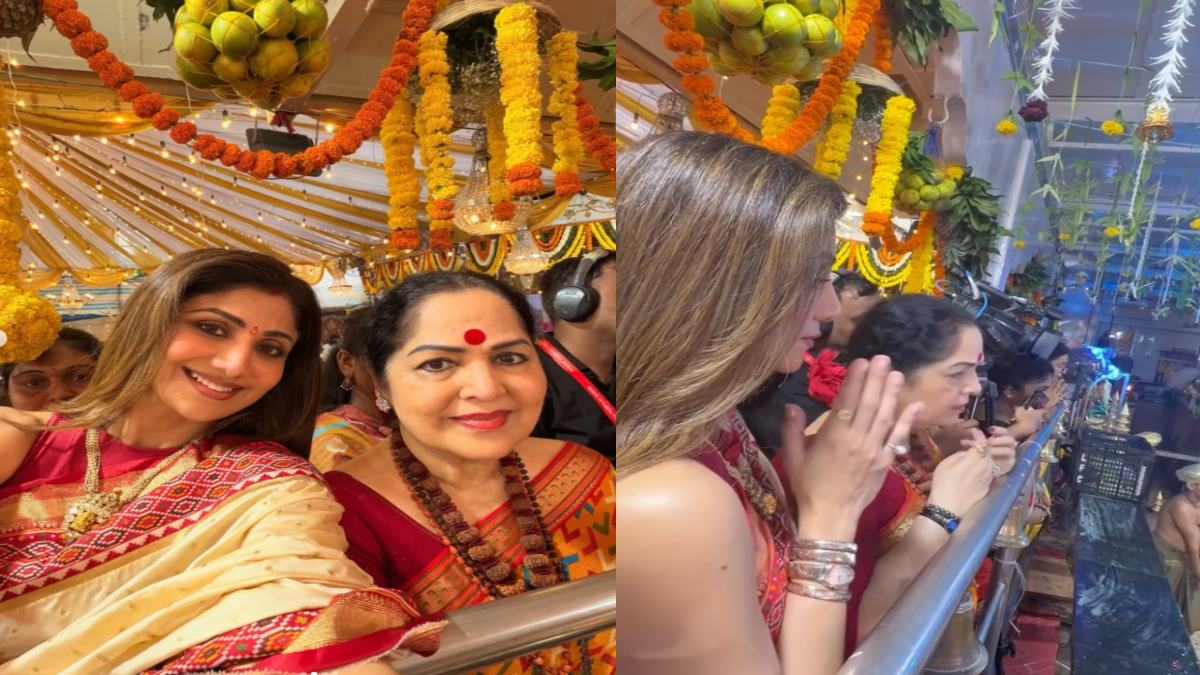
The actress said the Naga deity has been in her family’s prayers for years and has been a religious tradition which she especially associates with her childhood in Mangalore when she was a kid. Her celebration of the festival brought into focus the cultural and spiritual practices that are still very special to her in a world of action and entertainment.
Nag Panchami is a major festival in many parts of India, and devotees pray to Naga deities to get the blessing of prosperity, wellbeing and protection. The festival is associated with the worship of snakes in Hindu tradition and is observed according to the local customs that can differ greatly from one part of the country to another. Shilpa Shetty has a special significance because her family is connected to the tradition.
Shilpa’s vision on Nag Panchami, she was born in Mangalore and grew up with the worship of the Naga deity. It wasn’t just a festival day ritual, she said, but something that was embedded in her family and childhood and her mother. What she said was that culture still has to be embedded into our identity even when we move away from our hometown.
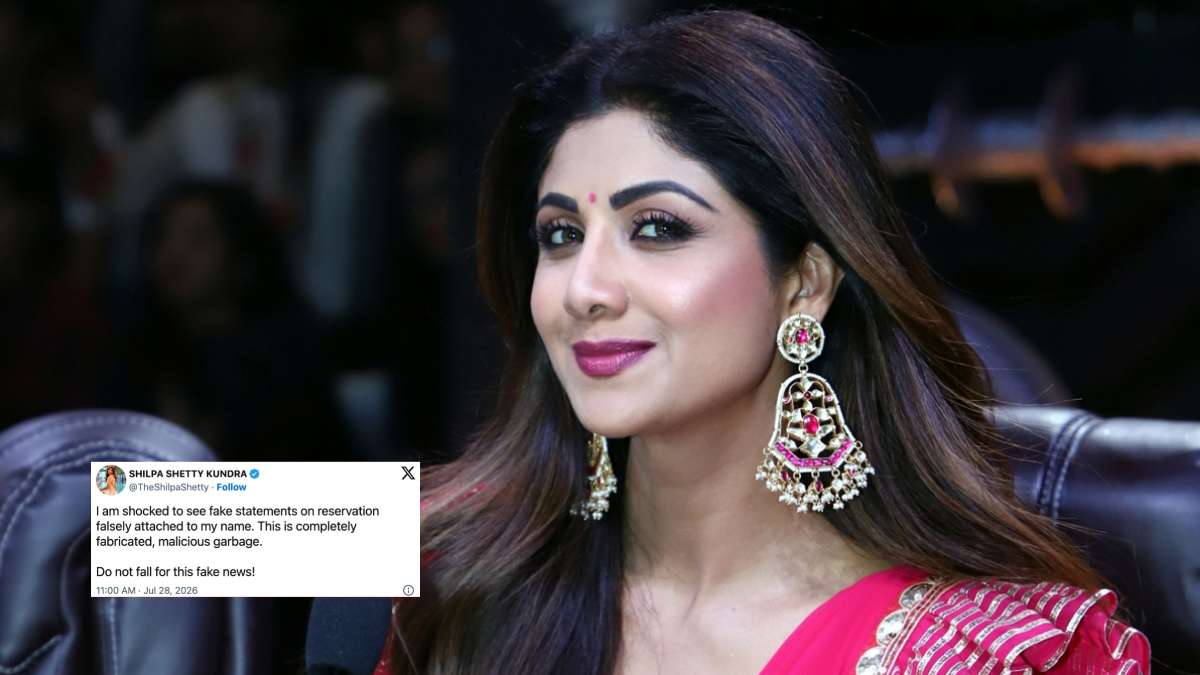
Mangalore and the wider coastal Karnataka region are rich in Naga worship. Serpent worship has been a center of cultural and religious activity of a number of different communities in coastal Karnataka. The worship of snakes and Naga shrines is still present in various parts of coastal Karnataka, where the rituals associated with the serpent gods are still practiced.
Shilpa’s festival of Nag Panchami therefore is a tradition that is very much rooted in the culture of her birthplace. That she still participates in the puja shows that family rituals can be maintained through generations. A public celebration of such a celebrity also offers a glimpse into a celebrity who is often seen through the lens of films, television appearances, fitness and entertainment projects.
The festival is very important for the devotees. Nag Panchami is celebrated on Shukla Paksha Panchami of the Hindu month Shravan, the devotees worship Naga deities and perform regional rituals. In most communities, the temple is visited and the traditional offerings are made, and special pujas are performed for them. Practices and worship are different according to the religion and culture.
Festivals like Nag Panchami can be an opportunity for families to catch up with their roots. Rituals of religious celebrations often bring along childhood memories, family festivals and old-fashioned customs taught by the elders. And Shilpa’s own experience of growing up in Mangalore adds a personal dimension to her celebration. Her remarks seem to indicate that the festival is very much connected to memories of home and family.
The actress is often vocal about spirituality and wellness and publicly talks about it too. Yoga, meditation and healthy living have always been part of her public identity. Her Nag Panchami celebration adds to that image, and also shows the way in which traditional spiritual practices can be integrated with her current lifestyle and career.
The special puja attracted supporters who follow Shilpa’s social media updates and her personal celebrations. Celebrity festival posts frequently attract attention because they allow people to see how celebrities celebrate important events away from work. In Shilpa’s case, it was Mangalore, so the celebration was even more personal.
Her reference to childhood traditions also underscores how important family is in maintaining cultural tradition. Many customs of religion are passed down from parents and grandparents to younger members of a family. And after some time, those practices are associated with memories of home—even in cities or countries where people have moved.
For someone like Shilpa Shetty, who has taken off from India and is now working everywhere as a professional in the world, staying connected to her roots is critical. Her Nag Panchami observance is the kind of balance between modern society and the traditions of her family that she and her father have been raised in.
It also demonstrates the diversity of festival traditions in India. Nag Panchami is celebrated in different locations of the country but the rituals surrounding it can differ greatly. Naga worship in coastal Karnataka is especially important with ancestral customs and sacred groves. The festival is therefore a mixture of many rituals, and it shows the different ways communities in India preserve their cultural heritage.
Shilpa’s choice to highlight her Mangalore connection also brought attention to the region’s longstanding Naga worship traditions. Her comments will have people familiar with coastal Karnataka’s cultural history recalling family trips to traditional shrines and participation in local religious ceremonies.
And the actress’s celebration is an example of how celebrities can inject these traditional festivals into modern public conversations. Social media has made it easier for public figures to share personal moments with millions of followers and family celebrations and religious observances into widely viewed cultural moments.
But at the heart of Shilpa Shetty's Nag Panchami celebration is a simple connection to family and childhood. She recounts that Naga deity worship has been a family tradition of worship since she was a child and has a family history that extends beyond one day of puja. It is a continuation of her childhood in Mangalore and her present life.
Festivals are as much a reminder of the place where people come from, especially those who have spent much of their adult life away from their hometowns. Shilpa’s celebration mirrors that sentiment and draws on her memories of Mangalore, her family’s spiritual beliefs and current practices to bring together her own.
As Nag Panchami is celebrated across India, Shilpa Shetty's puja has given fans an intimate glimpse into one of the traditions that has remained integral to her life. Her celebration is a testament to the impact of family customs and regional heritage on personal identity.
Shilpa’s Nag Panchami is thus not just another festival on the calendar. It’s an event she holds to her roots and her childhood memories and a tradition which her family has passed down to her. She has kept that connection alive and has kept it personal with her audience by following the festival.







Comments
Please to leave a comment on this article.