
Ariana Grande has once again made her position on the use of her music by Donald Trump’s team clear: Never use my music again, she told the team. Grande has been vocal on Twitter about the unauthorized use of one of her songs in Trump’s social media team’s TikTok video in a campaign to promote a documentary about it that has now gone viral and Trump’s music will never be done again.
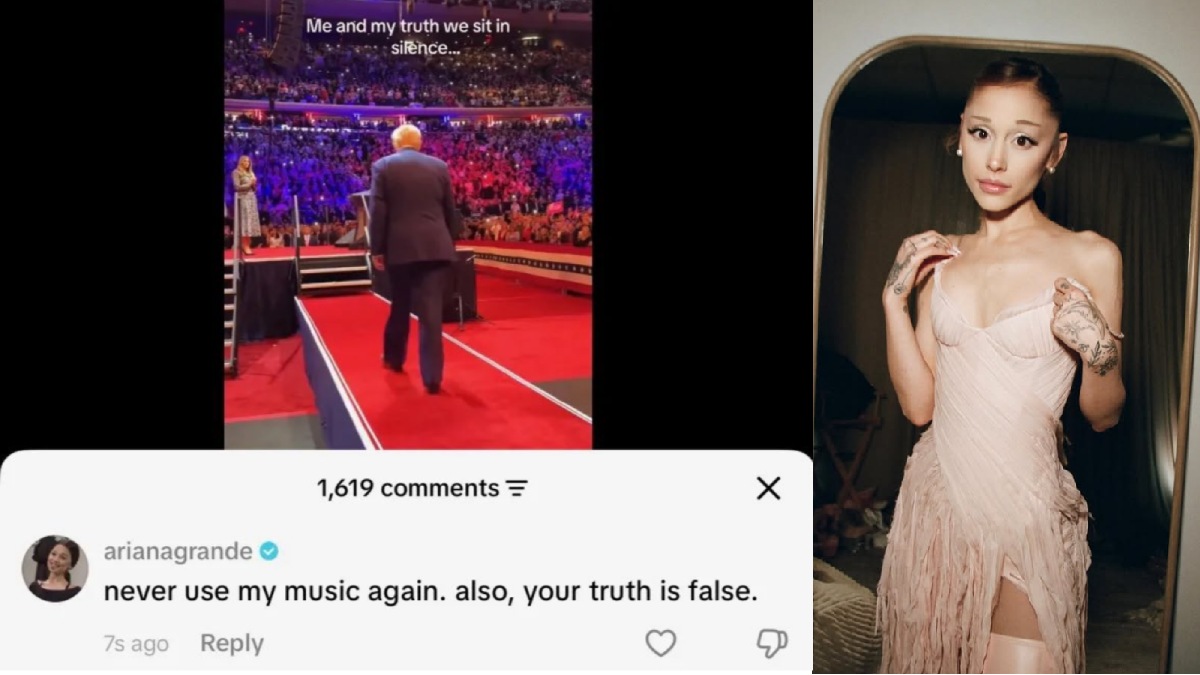
The controversy started when a TikTok video (April 2016) of Donald Trump speaking at a rally was shared by his team. The post featured Ariana Grande’s popular song “We Can’t Be Friends (Wait For Your Love),” the lyrics of which were interspersed throughout with a political message: “Men can’t have babies and should never compete in sports.”
Grande’s song quickly drew attention online due to the political message behind it. Grande said in the comments section, “Never use my music again. Also, your truth is false.” Her response was posted quickly on social media and fans and other users pointed out the singer’s strong objection to the song being used in connection with the post.
Grande’s team is also working to have the song removed from the video, according to reports. The incident has once again raised the long-standing debate about politicians using popular artists’ music at rallies, in campaign material and across social media without the artists’ apparent approval.
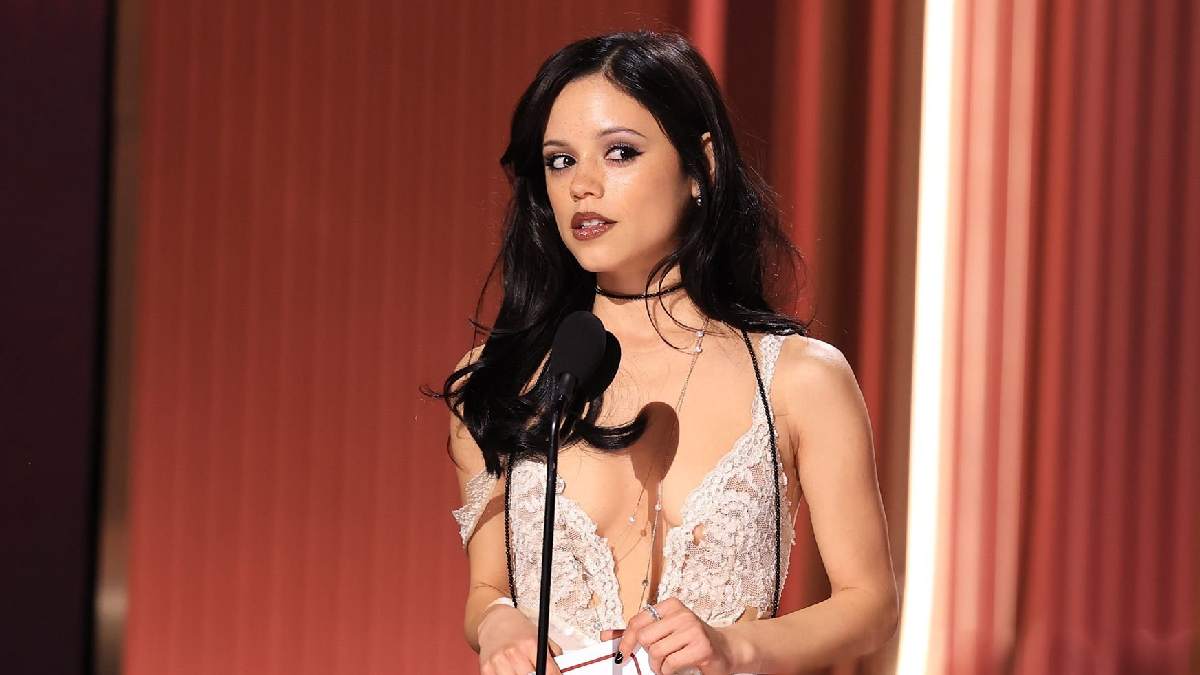
And Grande isn’t the first time she has criticized the Trump administration for using her music. When the White House included her song “Bye” in a video about immigration policy and efforts at Immigration and Customs Enforcement and Border Patrol, she protested.
At the time Grande expressed her outrage at the association of her music with the immigration-related content. She asked the administration not to use her music in connection with what she termed “barbaric, inhumane, heinous nonsense.” Her comments indicate a firm stance that her position has not changed.
Grande is not the only major music star to express concerns about Trump or his political team using their songs. Over the years, several high-profile artists have publicly protested when their music has appeared in political campaigns or social media posts without their approval. Taylor Swift, Katy Perry and other performers have also been involved in public discussions around music in political contexts.
Songs are emotionally and personally problematic for musicians as well. A song, lyric or body of work in general, a person may not wish to be associated with a political campaign, policy or public figure. And music licensing laws allow certain uses of that work if it’s the right thing to do, but artists often have struggled to distance themselves from political messages and, as such, have denied that they are being used in a way they did not advocate for.
Grande has more than another chance to put a line between her music and Trump’s political message now. Her short but pointed response was that she doesn’t want her music associated with the political messages that the TikTok itself makes.
The controversy is likely to continue to be on one side of the debate online as users debate artistic ownership, music licensing and what political campaigns and public officials do with popular songs. Grande’s message seems to be fairly straightforward: she doesn’t want her music used by Trump’s team, especially alongside messages with which she vehemently disagrees.
The latest episode also illustrates just how quickly celebrity responses can amplify political controversies on social media. A single response from a globally known artist can turn an otherwise average political post into a broader discussion about music rights, political messaging and the relations of artists and public figures.






Comments
Please to leave a comment on this article.