
The debate over the Grammy Awards and recognition of Asian artists has resurfaced again after the Recording Academy’s CEO addressed allegations of a boycott against global K-pop sensation BTS.
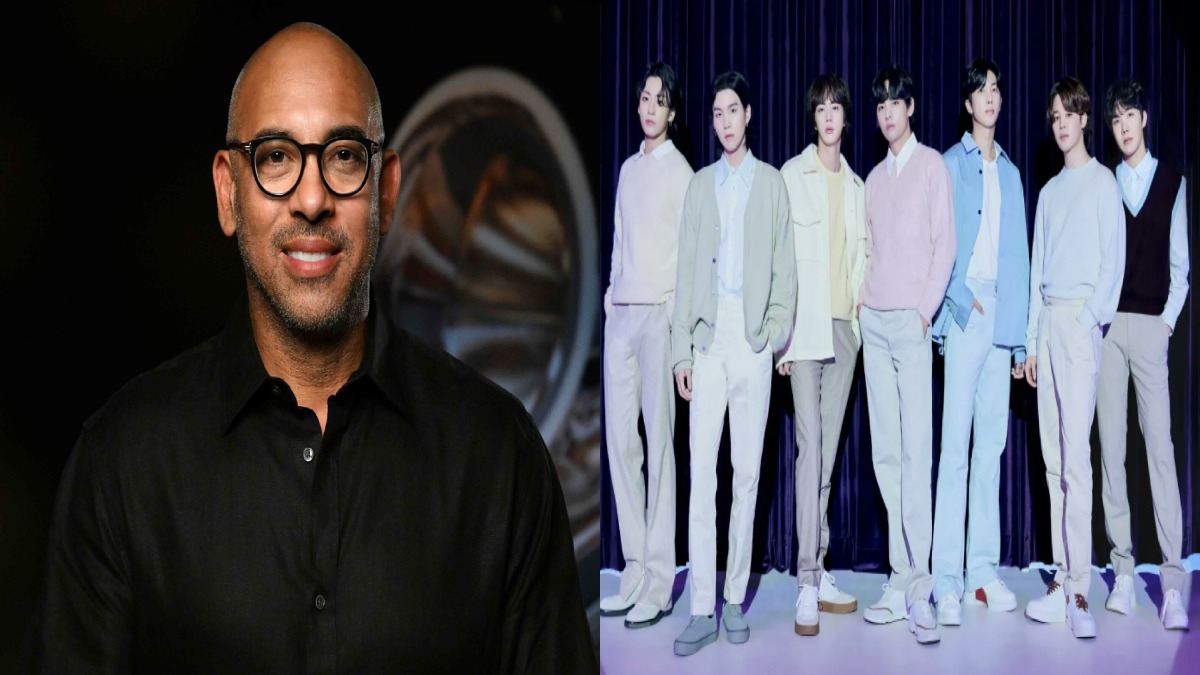
Following growing criticism from fans and parts of the music industry, the Grammy chief said the new Asian Pop category was developed to expand representation and celebrate global recognition of Asian music on the global stage not to separate or marginalize artists from mainstream award categories.
The statement comes after numerous social media debates over whether setting up an Asian Pop category would affect the merits of K-pop artists in major Grammy categories like Album of the Year, Record of the Year, Song of the Year, and Best Pop Duo/Group Performance.
Twitter hashtags related to BTS and the Grammys were trending across multiple platforms, and fans who felt the same for artists who have been able to achieve worldwide success were critical.
The Recording Academy CEO assured us that the organization has no intent of dividing artists based on geography or ethnicity. The suggested category acknowledges the explosion of Asian music which has only grown and is better known to people from all over the continent. The CEO said the idea is to celebrate diversity and allow artists to still be eligible for general field awards as well as genre-specific categories.
The clarification is important as BTS has become one of the most influential music groups in the world over the last decade. The South Korean band has broken numerous streaming, sales, and concert attendance records, and they have also dominated the charts in many countries. Their popularity has also helped in bringing K-pop to the mainstream, and many fans of the genre have argued that the group should continue to work with all international artists and not just be limited to a country.
The Recording Academy said the creation of new categories was part of the Grammys’ effort to reflect the changing music landscape. Award categories are re-evaluated every few years to give the new genres and cultural movements the right recognition. The CEO said the proposal for an Asian Pop category is consistent with this broader goal of highlighting the rise of Asian artists worldwide.
Industry experts have commented that in recent years, international award ceremonies have expanded their category lists to better represent regional music scenes and not exclude artists from major awards. Similar approaches have been made across different entertainment platforms to acknowledge the growing popularity of Latin, African, and Asian music, and to allow artists to be offered an opportunity to compete across wider categories too.
The clarification has divided fans. While some supporters had welcomed the Recording Academy’s explanation and saw the new category as an opportunity to celebrate Asian talent, others were cautious that the implementation and eligibility rules will ultimately determine if the initiative promotes inclusivity or inadvertently creates separate recognition for Asian artists.
Beyond BTS, the conversation has wider implications for artists from countries like South Korea, Japan, India, Thailand, China, Indonesia, and the Philippines whose music is drawing big international fans in recent years. Many think that greater representation at top music awards reflects the increasingly borderless nature of the music industry, as streaming platforms have given artists access to international audiences regardless of language.
The Grammy Awards have always been criticized for diversity, representation, and nomination processes. The Recording Academy has made a number of changes in recent years to increase transparency and inclusivity in its voting and award procedures. The recent clarification of the proposed Asian Pop category is a part of the process to evolve with a changing music industry.
As discussions continue between fans, artists, and industry observers, the Recording Academy has made clear that the goal of the new category is to honor Asian music rather than isolate it. The final structure and implementation will determine if the proposal is ultimately beneficial to representation or just a source of debate. For now, the CEO wants to assure fans that the Grammys will celebrate music from all cultures as well as artists' ability to compete on the world's biggest music stage.















Comments
Please to leave a comment on this article.