
Yayoi Kusama, the “Polka Dot Queen” of the world and the artist that came to be known for her work more than 50 years ago, has died at the age of 97. She died in Tokyo on August 14, 2026, and the museum and her foundation announced the end on August 27. She was so creative all her life and never stopped painting.
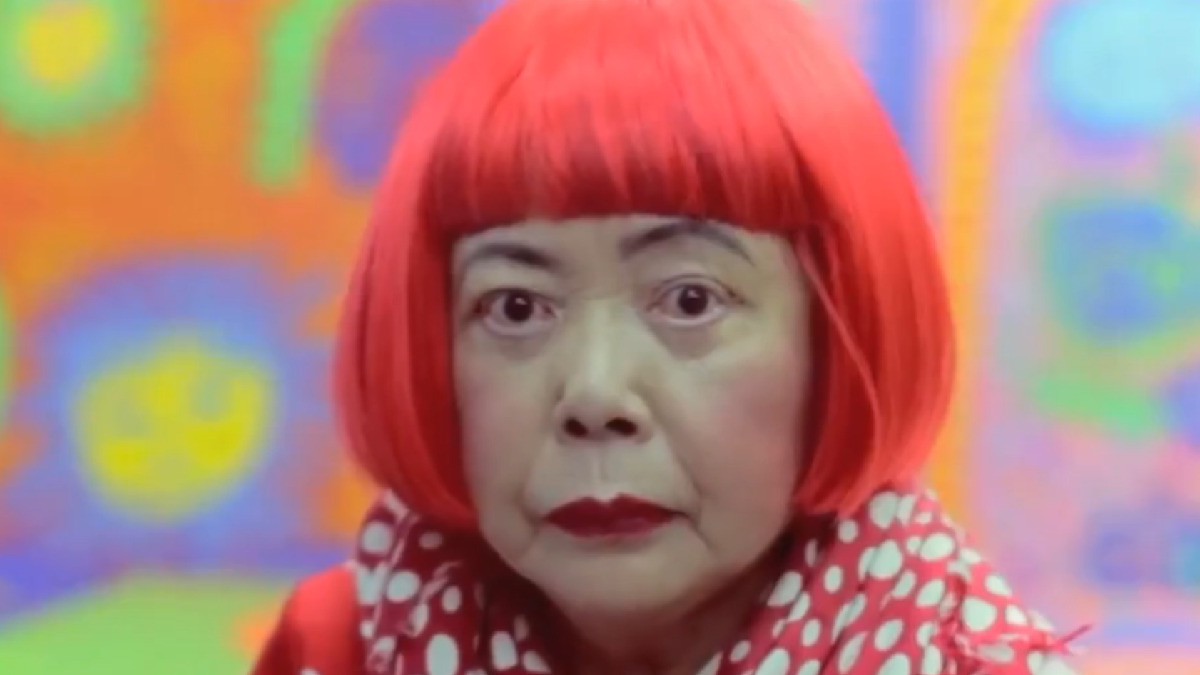
Kusama became one of the most celebrated figures of contemporary art in this way: from polka dots to repeated patterns, nets to pumpkins and mirrored spaces. She made it possible to see people’s life experiences and dreams as a place of art and to become part of every experience and vision. This is how people came to know of what she calls Infinity Mirror Rooms, and they have become a cultural phenomenon.
Kusama, born in 1929 in Matsumoto, Japan, started making art at an early age. She studied traditional Japanese painting, later moving to the United States in the late 1950s. In 1957 she moved to New York, where she entered the rapidly changing avant-garde art scene. Her large-scale works and repetitive “Infinity Net” paintings became known for their unusual scale and hypnotic patterns. During the 1960s she became known for experimental art and performances, and in doing so she became known as an artist willing to challenge conventional notions about painting, sculpture, sexuality and public performance.
Kusama’s career was about incorporating her own experience into her work. She had mentioned hallucinations and seeing patterns and dots from childhood. She didn’t bury those experiences, but turned them into a visual vocabulary which became a central part of her work. Repetition, infinity and the disappearance of the individual were recurring themes. Her art created an impression of viewers entering another dimension, where the lines between the physical world, space and self seemed to disappear.
Kusama had also periods of difficulty and obscurity in her life. When she came back to Japan in the 1970s she went to a psychiatric hospital in Tokyo and remained there for a while and lived in a studio nearby. She still painted, sculpted, wrote, and performed in her art. And her decision to continue to work so long made her life so much more than a story of artistic struggle.
Pumpkin sculptures became a trademark of Kusama’s art. Tied up in her familiar dots, pumpkins were an image of play but also a representation of repetition and infinity. One of her best-known pumpkin sculptures became a landmark on Japan’s Naoshima art island. She created a visual style with paintings and pumpkins that even people who didn’t keep abreast of the contemporary art world (and the other things she worked on) could recognize as being in the same visual style.
Her influence grew well beyond the art world. Kusama collaborated with major fashion and commercial brands, and there was a huge explosion of her installations on social media. The interactive nature of her mirror rooms and visual impact of dots made her work appeal to younger viewers especially. She was not only a respected avant-garde artist, but also a major global cultural icon whose work connected modern art to the mainstream world.
While renowned in the world, Kusama continued to have a huge international audience, and her studio and museum continued to publish her work to the world and exhibited her paintings, sculptures and installations in museums around the world. She received huge recognition for her work during her lifetime, including major awards, and was one of the world's most celebrated female contemporary artists and sold her work at record prices at auctions, becoming the commercial and cultural legacy of her work.
In the face of the news of her death came tributes from around the world. Her museum said Kusama had a lifelong passion for art and she believed in love and art. The museum also confirmed that its current exhibition, “KUSAMA's POP,” will continue through August 30.
Kusama’s death ends a 97-year journey of artistic achievement, but it’s not one that’s going away. Her dots, pumpkins, mirrored rooms and infinity motifs have become permanent features of visual culture. And she showed us that deeply personal experiences can be turned into art that can reach generations and continents. Kusama constantly challenged what art was from birth in Japan through her later years in New York and in Tokyo.
Yayoi Kusama was a model for all artists and audiences—persistence, experimentation and an uncompromising approach to creativity. She made repetition of the same into something hypnotic, personal struggle into powerful visual experiences and simple dots into an international art language. The “Polka Dot Queen” will be remembered in museums, installations, sculptures and paintings that are widely accepted as a great part of Japan’s art.













Comments
Please to leave a comment on this article.