

Kayadu Lohar Opens Up on Objectification in Films: “It’s the Most Difficult Conversation”
Actress Kayadu Lohar has spoken out on how women are portrayed in films and she has said about objectification being a particularly difficult topic to talk about in movies. She is against it when women are presented as objects for visual appeal or attention when the plot is not really related to the movie, she said. She also admitted that a scene’s context makes an impact, and when one of the actors or actresses does a good job adding to the character or narrative, you need to be honest with themselves.
Representation and the role of filmmakers when they present female characters on screen has been revived as they’ve also received some attention for those discussions.
Kayadu commented on a sequence in her recent Tamil film Immortal to film critic and journalist Sudheer Srinivasan. Instead of denying every form of glamour or visual presentation the actress points out a scene that is in fact a character in a story and not simply a way to draw attention only. For Kayadu, that difference is critical in deciding if she is OK to play a particular role or project.
Kayadu Lohar Says Context Is Important
Kayadu did not think that too many movies objectify women. Still, she thinks an actor needs to look at the whole story and see why a scene exists before making a judgment. If a portrayal is necessary for the character’s development or is part of the story she said she would accept it to an extent.
Her remarks illustrate a larger question that has been raised in commercial cinema: where should filmmakers draw the line between depicting a character and using a character primarily as a visual attraction? Kayadu thinks it is best if the creative purpose of the film is crystal clear rather than just to use images to make more money online.
The actress has made it clear that a lot of social media popularity is not enough motivation for her. A scene will generate discussion, circulate widely or become popular on Instagram, but that doesn’t mean it is what is considered artistic. She said she would not choose a film just because a particular portrayal could generate online buzz.
Why Speaking About Representation Can Be Difficult
Kayadu also discussed the difficulty in questioning established practices in the film industry. She said representation discussion becomes uncomfortable when we’re used to seeing certain approaches on screen.
She notes that when a person expresses concerns, they are sometimes isolated, particularly when others defend it by saying that a particular practice has always been part of cinema. That makes it more complicated for us to consider representation because in order to change the established habits we need people to be willing to question what has traditionally been accepted.
Actors can find it particularly important for actors, too. Actors struggle to be in a position of balancing creative ambitions and commercial filmmaking. Speaking out in public about boundaries and representation is a tricky professional conversation that is often difficult when different departments involved in a production have different ideas of what is right for a character.
Changing Audience Expectations
Kayadu’s comments also come at a time when audiences are increasingly questioning the portrayal of women in Indian cinema. Social media have made it easier for viewers to see the promotional stuff, trailers, songs and individual scenes in real time. So filmmakers and actors can have very heated discussions about how characters are depicted.
The actress feels that the audience attitudes are changing. While certain types of representation still appeal to those viewers, audiences are more willing to question portrayals that they find unnecessary or disconnected from the story.
This shift could influence the way future movies will treat female characters. Instead of presenting these characters in terms of their personalities, motives and role in the narrative, filmmakers might also start to look at people and characters and the roles they have in narrative.
Kayadu Lohar’s Recent Films
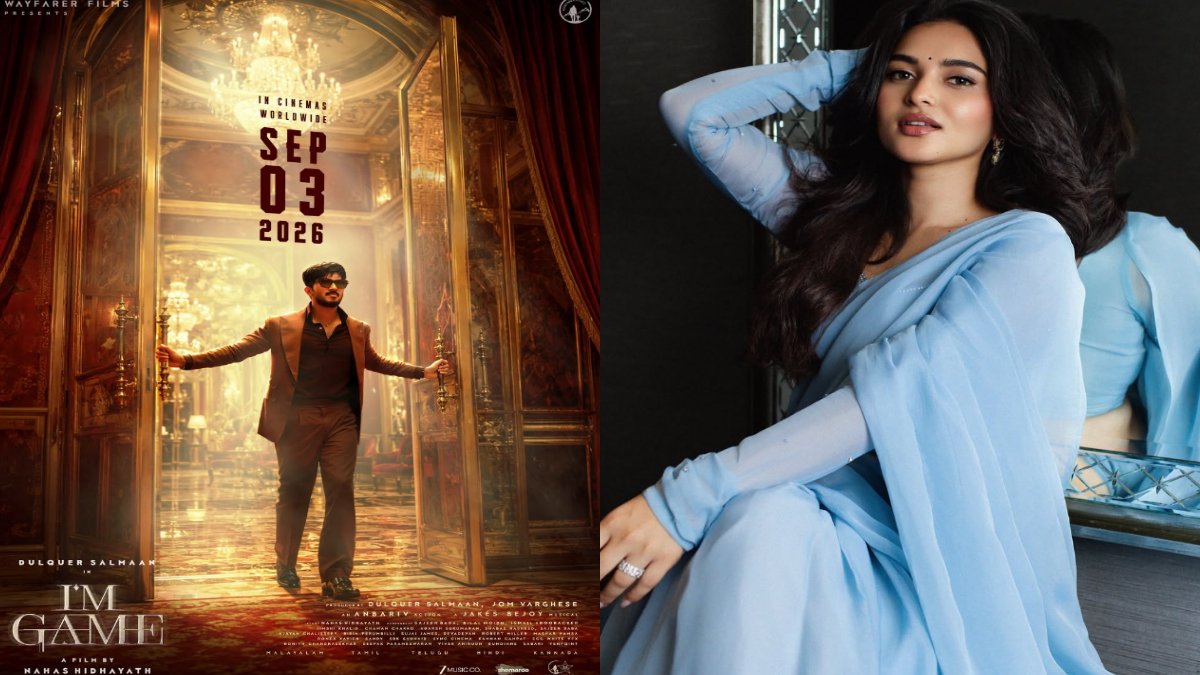
Kayadu Lohar is now prominent in the South Indian film industry. She has recently appeared in Immortal, a Tamil creature film with GV Prakash Kumar and is also on the radar for I'm Game (Malayalam film), starring Dulquer Salmaan. Recently she has also been doing promotional work for the two releases.
She is also more likely to work in different languages as she is learning to speak multiple languages and working in different cinema spaces. Her comments on representation are quite different from the ones she has had in her previous career as she is working in Tamil, Malayalam and other South Indian domains.
Her approach suggests that she wants the roles she picks to play to have substance beyond appearance. She has not rejected visual presentation in cinema entirely, but has emphasized narrative justification and personal comfort in cinema.
A Larger Conversation for Indian Cinema
The debate about objectification is not limited to one film, actor or language industry. It is also a part of a much larger conversation about how women are written, filmed and marketed in Indian cinema. Screen time, character development, promotional material and the purpose of individual scenes are frequently part of discussions about representation in the film industry.
Kayadu’s comments add an actor’s perspective to that conversation. Her argument is essentially that creative choices should have a reason and that performers should feel empowered to question scenes they believe do not serve the story.
At the same time, cinema is still a collaborative arena, so representation discussions have to do with actors, directors, writers, producers, cinematographers and audiences. And dialogues between these groups can give filmmakers characters that are visually compelling but still integral to the story.
Kayadu Lohar’s willingness to start that dialogue is also important. And her comments underline why conversations about representation are uncomfortable and necessary. As audience expectations continue to evolve, the way women are depicted on screen is likely to remain an important topic in Indian cinema.
Kayadu’s position is one of purpose and context. She is not saying every visually striking image should be taken off the screen; rather, she has questioned portrayals that exist primarily to attract attention without serving the character or narrative. As she talks about the issue, we have another voice to add to the discussions of representations and creative responsibility in movies.



 Latest Movies Trailer





Comments
Please to leave a comment on this article.