

Bombay High Court Orders Social Media Platforms to Remove Objectionable Content Related to Shruti Haasan
The Bombay High Court has ordered social media platforms to remove objectionable content related to actor Shruti Haasan after the actor approached the court seeking protection of her personality and publicity rights.
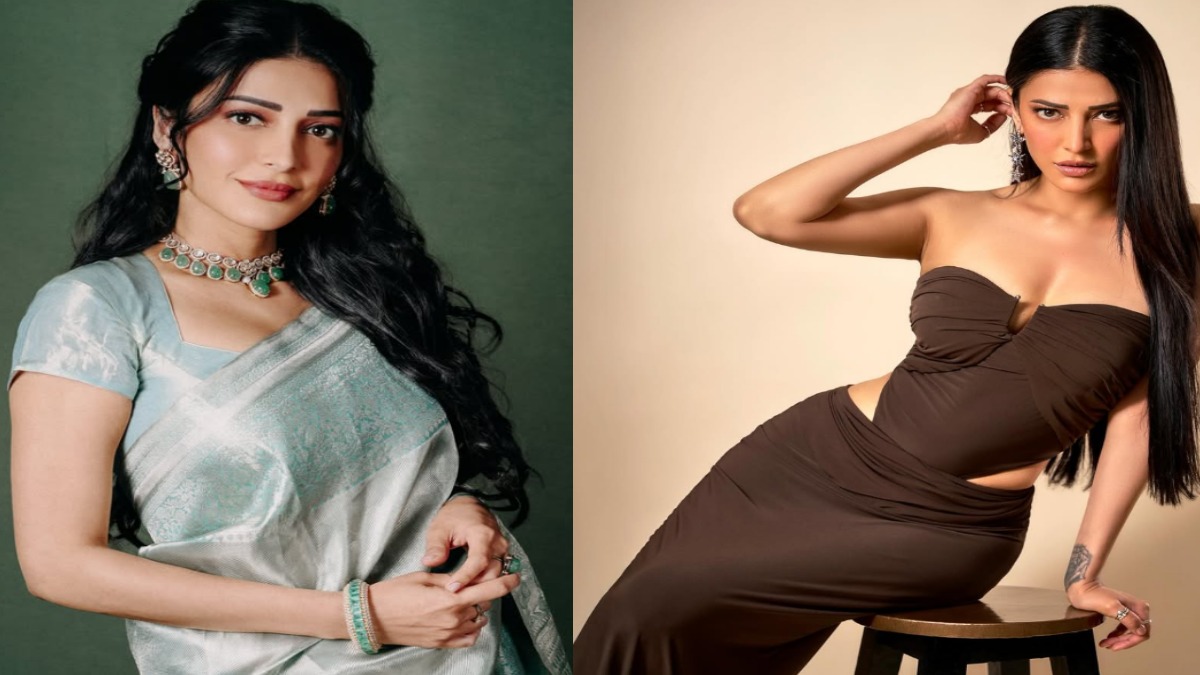
The development highlights the ever-changing legal debate in India to protect celebrity names, images, and public personas in an ever-expanding digital space.
Celebrity personality rights are now of increasingly high importance because social media, digital advertising, and online content creation have created new ways in which a public figure's identity can be used.
Actors and other well-known personalities can see their names, photographs, videos, and other identifying attributes being used without permission. Some of it may be false, defamatory, commercially exploitative, or otherwise objectionable.


Shruti Haasan’s legal action sought protection against unauthorized use of elements of her identity. After her petition, the Bombay High Court imposed that suitable social media platforms take action on the actor’s objectionable material, and the same is required of everyone in the world. The order underlines the need to balance freedom of expression and online activity with the right of an individual to protect his/her identity and reputation.
Shruti Haasan seeks protection of Personality and Publicity Rights
Personality rights are legal protections that allow people, primarily public figures, to exercise control over the commercial or unauthorized use of attributes associated with their identity. That can be a person's name, image, likeness, voice, and other distinctive characteristics.
Publicity rights are central to the commercial value of a person’s identity. There is a long history of celebrities building professional reputations in advertising (as well as entertainment), endorsements, and digital marketing campaigns. Unauthorized use may lead to a false impression a celebrity has in relation to a product, service, or message.
Shruti Haasan approached the Bombay High Court and asked for judicial intervention to safeguard these interests. The case is a testament to the way that traditional legal ideas about reputation and identity are being applied in the internet world: it is an era in which information can spread across the internet very quickly.

Social Media Platforms Under Increasing Scrutiny.
The court's direction to social media platforms is significant because objectionable material can reach large audiences within a short period of time. Once content is reposted, copied, or shared across different accounts, removing the original material may not necessarily prevent further circulation.
Digital platforms are now under growing pressure to respond to complaints about privacy, impersonation, unauthorized commercial exploitation, and potentially defamatory material. Court orders can provide a legal remedy to ask for removal or restriction of particular content where an existing platform reporting system is not sufficient.
The Shruti Haasan case also shows celebrities’ difficulties in identifying their digital identities. A public figure may have an official social media presence, but many unofficial accounts and pages can also circulate photographs, videos, and other material associated with them.
In the Digital Age. Why Personality Rights Matter?
Personality rights are at the forefront of the discourse in India as celebrities are increasingly targeted for digital impersonation, unauthorized endorsements, and artificial or manipulated content. Artificial intelligence and advanced editing tools have made it easier to create material that appears to involve a celebrity even when the person has not participated in its creation.
So protecting personality rights is becoming an important component of the overall discourse surrounding digital identity. The personal identity of celebrities is a personal one, but so is the professional and commercial identity built over many years.
At the same time, legal disputes involving personality rights need to be weighed carefully because public figures are subjects of legitimate public discussion, criticism, commentary, and reporting. The court’s intervention generally centers on specific legal problems, not on blocking all discussion about a celebrity.
A Significant Development for Celebrity Rights
The Bombay High Court’s ruling on Shruti Haasan’s case adds to the larger debate on celebrity rights and digital content in India. As entertainment personalities increasingly rely on online platforms for communication, promotion, and professional engagement, protecting their identities in the digital space has become more complicated.
For social media users and content creators, the development also serves as a reminder that public photographs or videos cannot be freely used for anything and everyone. How we create it, present it, distribute it, and sell it to people can raise a lot of legal issues with the celebrities to whom it is based.
For now, that is a legal decision for Shruti Haasan to protect her personality and publicity rights and the court's direction in her case. The question of celebrity identity and the social media platform and Indian law is another thing that is to be addressed as the relationship between celebrity identity, social media, and Indian law is changing. This is because, as digital content multiplies, the unauthorized and unlicensed use of names, images, likenesses, and other personal attributes of people is going to be a very thorny issue that will continue to be a topic of legal discussion.
The case could also contribute to the continued development of jurisprudence on personality and publicity rights in India, as celebrities seek stronger safeguards against misuse of their identities online. The Bombay High Court’s action shows courts might play an increasingly important role in determining how such rights should be protected in the digital era.



 Latest Movies Trailer







Comments
Please to leave a comment on this article.