
Shabana Azmi, veteran actor, has said she is proud to have been among the students’ protest and has spoken about her decision to join in the protests over alleged irregularities in the NEET-UG exam process. She said in her life-long-standing career that she was inspired to unite with students in Delhi during the campaign of protests against recent incidents on NEET-UG, which became a very special moment for her that she says deeply impacted her. Azmi joined the students and their supporters during the protests in Delhi, including the march towards Parliament.
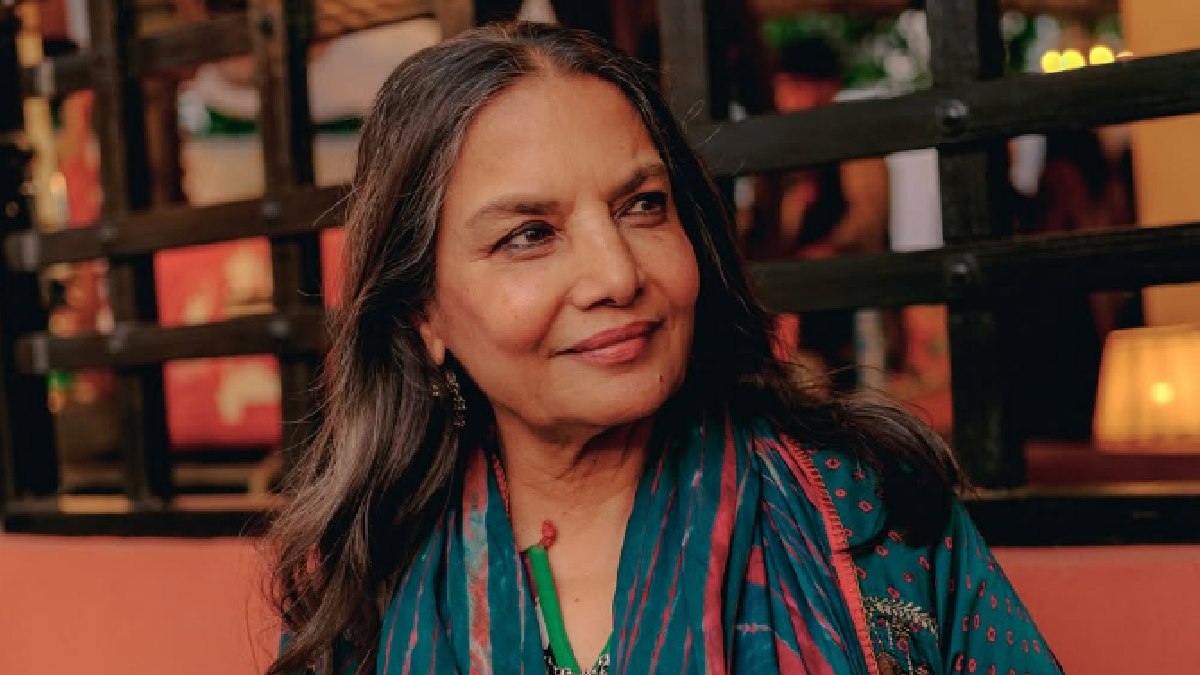
Azmi’s involvement was much more than simply providing support from a distance. She visited the protest site, spoke to the students, and stayed with them during the agitation. Deeply rooted in what the students were going through, she believes she would not have felt able to face herself if she stayed away.
Azmi said she and her husband, lyricist and writer Javed Akhtar, had first tried to raise the issue directly to the Prime Minister. The couple wrote a letter asking for the protesting students to be heard and for them to meet with the authorities. They also said that they did not intend to escalate it to the press and had more hope that the authorities would talk to the students.
Azmi said they were promised a response within two days, but several days passed without the expected communication. With the issue still playing out, she decided to travel to Delhi and visit the protest venue herself. Akhtar, who was in London at the time, advised her to go.
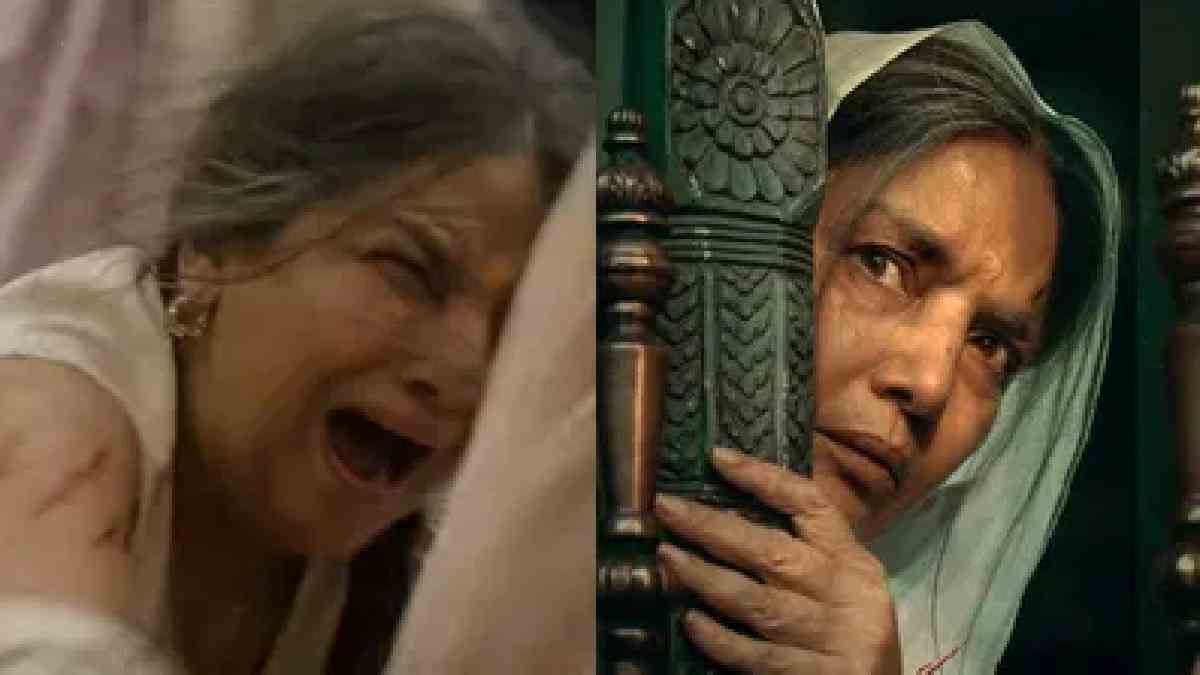
What Azmi observed at the protest site surprised her with the intensity of the students’ feelings. She described seeing an unusual combination of optimism, hope, and anger among the young protesters. For the actor, experiencing this was a new thing that she found very different from how young people are often portrayed in public discourse.
One incident that has stayed with Azmi the most involved students who had been arrested during the demonstrations. She recalled protesters being beaten with batons, but the students were concerned about her safety. Even though these protesters themselves had experienced physical hardship during the protest, they approached Azmi and asked if she was safe.
The actress recalled the students mentioning that they had just been hit themselves. Their response, Azmi said, reflected their unwillingness to be intimidated. She said the students conveyed that they had already seen a baton strike once and were no longer afraid of another. For Azmi, it was a manifestation of their courage and their commitment to their beliefs and fighting for what they felt was right.
The actor also described another aspect of the protest that impressed her: the students’ repeated focus on non-violence. While they were angry, Azmi said they stressed that peaceful protest is important. Their attitude struck a chord with her and reinforced her belief that the younger generation should not be dismissed as apathetic or disengaged.
Azmi said she initially went to Delhi to support the protesting students. But her experience ultimately made her feel like she was the one who had gained strength from the encounter. She said as she returned from the protest, she felt strengthened by the young people she had met.
Her comments also touched on a larger issue of how young people are viewed by society. Azmi argued that young Indians tend to be portrayed as not interested in social and public issues, and that what happened at the protest changed that perception. She thinks the problem lies in society not providing young people with credible role models to look up to and follow.
The NEET-UG protests were in response to allegations of irregularities and demands for more transparency and accountability in the examination system. For students preparing for highly competitive entrance exams, concerns about the integrity of the process can have significant consequences for their academic and professional futures.
Azmi’s presence at those demonstrations was significant not only because of her celebrity status but also because she stood with the protesters. Her reflections suggest that her own perspective on the younger generation was shaped. Not as angry protesters, but as strong fighters committed to non-violence.
The episode also underscores the necessity of dialogue between authorities and students when questions of fairness and transparency are raised regarding major examinations. As the conversation about examination reform continues, students’ voices remain central to discussions around accountability and trust in the education system.
Azmi’s protest, however, was more than a political or social intervention. It was an encounter with a generation whose bravery challenged her views and left her stronger. Her testimony of students checking on her safety even after they themselves had faced baton action was, for her, the most valuable lesson learned from the agitation.













Comments
Please to leave a comment on this article.