
Taapsee Pannu is a very distinctive actor in Hindi cinema and has an independent (and often anti-establishment) approach to her roles. And from Pink and Thappad to Badla, Mulk and Haseen Dillruba, the actress has gravitated towards complex women as the centre of her film. But now Taapsee wants to stray from the image that audiences have developed for her and try out characters that can surprise them.
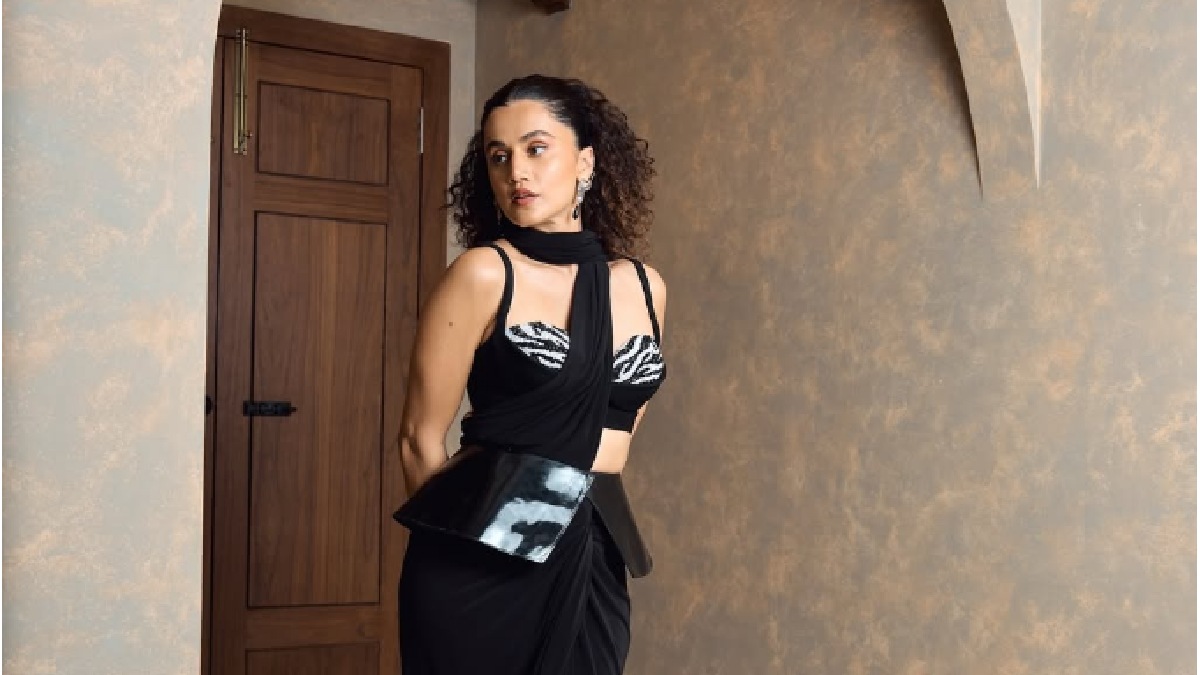
In a recent chat, she said she didn't want to keep doing the same thing and kept working on something different. For actors like Taapsee who are repeatedly cast in the same roles based on their established image, she says, movies can get very predictable and actors can't go to new places with a lot of the kind of skill.
Taapsee said that filmmakers often seem to have predetermined choices when casting actresses. Glamorous roles, she said, tend to go to a specific group of performers, while actresses known for serious, issue-driven cinema are repeatedly considered for similar projects. This can eventually be restrictive for both actors and audiences, she said.
The actress even turns down some projects because she thinks viewers will be able to predict the story or ending just from her casting. Taapsee says she has even warned filmmakers not to cast her if she makes their film too predictable and she’s “de-sold” herself to a few films.
Her comments demonstrate a larger concern about typecasting in the film industry. Although having a recognizable screen identity can be an advantage, Taapsee believes that repeating the same formula may not psychologically be good for an actor. For a woman who has spent so much of her career playing the hardest, most emotionally demanding roles, having a little more freedom to play lighter or even completely out of the blue roles may be a much needed creative change.
Taapsee's journey towards being associated with unconventional female characters was not necessarily a carefully planned career strategy. Traditional mainstream roles were not readily available to her when she started out, she said. As a result, she began accepting the kinds of projects that were being offered to her.
As a result, according to the actress, the decision ultimately snowballed into a snowball effect. Because she took on unusual roles early in her career, audiences and filmmakers began to associate her with those kinds of performances. Fortunately for Taapsee, the films she did so were so successful that many of them later became very popular and made great female-led stories more mainstream.
Over the years, she has also faced the opportunity of stepping out of intense roles. Soorma, Mission Mangal and Dunki had allowed her to enter somewhat different spaces. Her role in the comedy-drama Khel Khel Mein also showed that she was more inclined to take part in a more entertaining and ensemble-oriented project.
But Taapsee wants to go further. She’s not content to make movies that are more serious or light-hearted, she wants to make characters that people would probably least expect from her. Such experimentation may allow her to test her own acting skills and keep her filmography from becoming predictable.
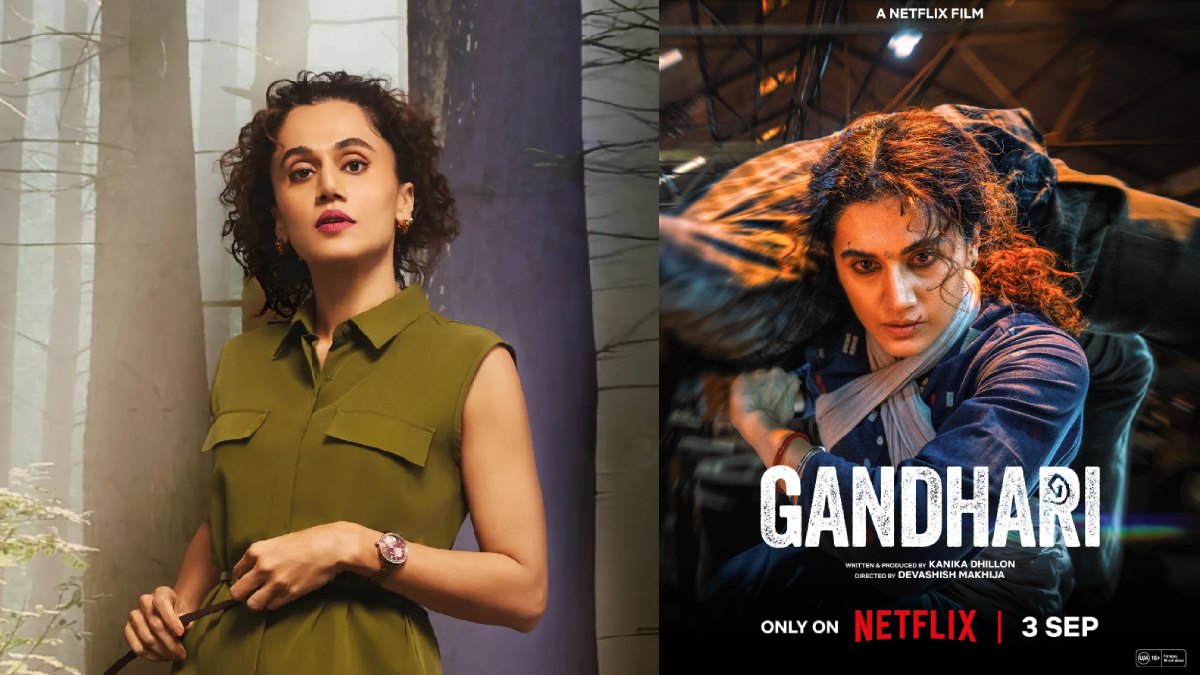
Gandhari will be released on Netflix on September 3. Taapsee plays Bani, a ruthless mother who goes on an all-out hunt for justice following the kidnapping of her daughter. In so doing, she will be right back in such a high-stress, physically demanding position, but her comments show that she is already thinking about other roles.
Taapsee’s career has been shaped by performances that put women and their personal struggles at the forefront of the narrative. Her movies like Thappad, Badla, Mulk and Naam Shabana have been based on that image. But as the actress is now consciously stepping away from expectations, we might soon be seeing a much different side of her on screen.
Her desire to experiment is in line with a growing trend for established actors who do not want to be limited to a particular genre or character archetype. For Taapsee, the next phase of her career could be a matter of unpredictability— choosing characters not because they fit her existing image, but precisely because they don’t.









Comments
Please to leave a comment on this article.