

Ramayana OTT Deal: Could ₹1,000 Crore Demand Backfire After Toxic’s Reported OTT Setback?
Ramayana is one of the most ambitious Indian film projects of all time, big in terms of scale, visual effects, star cast and international reach. But the OTT deal that it is in talks with has made a debate between itself and the movie industry, is it better to sign a big online deal before the movie gets made and bet on it becoming a huge hit?
The discussions have been fueled by the reported OTT situation in Yash’s Toxic. The developers of Toxic did not make a major OTT deal before its theatrical release, because they were seeking a much higher amount than platforms were initially prepared to offer.
The expectation was that a good theatrical performance would increase the film’s value and enable the producers to strike a much bigger digital deal later in the movie’s life. But the box office results did not match those expectations, and a very different situation arose.
Some reports now suggest Toxic is receiving OTT offers of around ₹30 crore, but this figure has not been independently confirmed. The gap between the expectations before release and the reported post-release offers has thus become a talking point in the industry.
With this in mind, it has become very hard to see if there are other big-budget movies to take a similar risk.
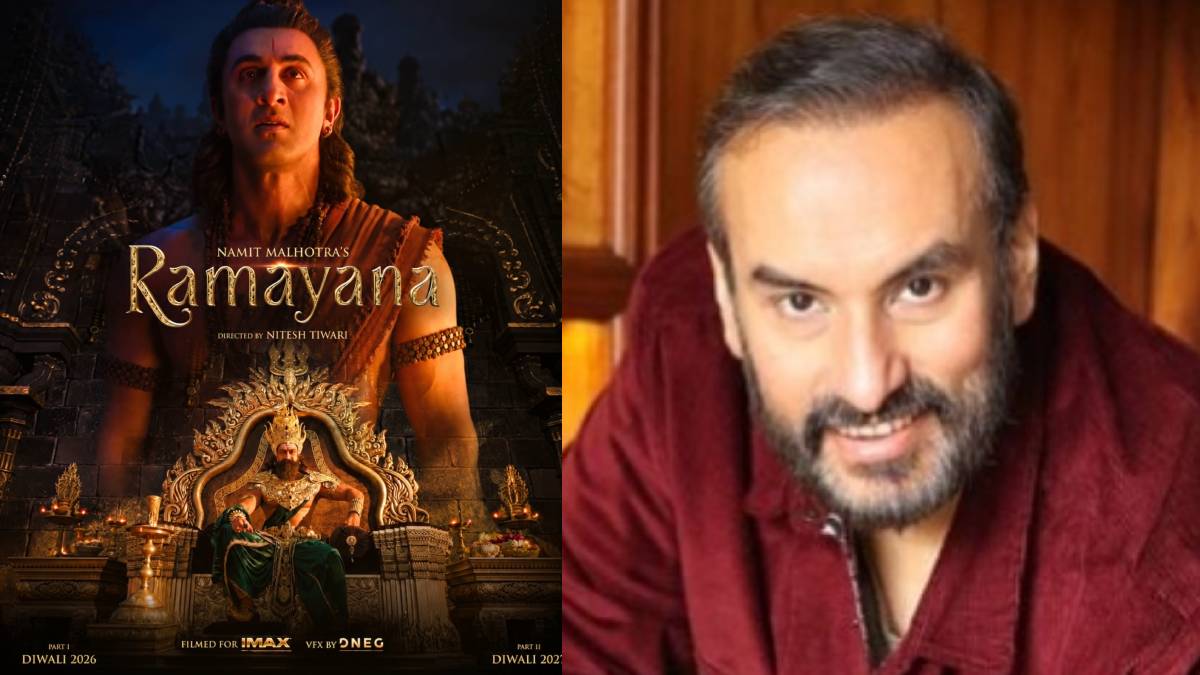
One of the biggest projects under the spotlight is Ramayana with Namit Malhotra and Nitesh Tiwari as the producers. Ranbir Kapoor plays Lord Ram, Sai Pallavi plays Sita and the movie is on a huge scale and has the best visual-effects work.
According to reports on social media and entertainment platforms, a ₹700 crore OTT offer for both parts of Ramayana was rejected, with the makers hoping for around ₹1,000 crore to close the digital rights deal.
If true, such a decision would be a massive sign of confidence in the film’s commercial potential.

However, it is important to differentiate between the reported industry figures and the officially announced agreements. The reported ₹700 crore offer and the alleged ₹1,000 crore demand should not be considered as a final OTT deal unless the producers or streaming platform officially announce the terms.
But the debate does raise the larger question of the economics of big-budget Indian cinema.
A pre-release OTT deal can provide producers with a significant degree of financial security. If the film doesn’t perform theatrically, even though it does not, a decent digital rights agreement will help protect a film’s profitability. For a movie with an extremely large production and marketing budget, that kind of security can really be crucial.
On the other hand, producers that believe in their film may wait. A big theatrical success can potentially increase the value of satellite, digital, music and overseas rights, allowing producers to negotiate from a stronger position.
The risk, of course, is that the opposite can also happen.
If a film fails to meet audience expectations, its post-release OTT value could sharply drop. Platforms may have less incentive to pay a premium once theatrical performance has given a clear indication of audience demand.
For Ramayana, however, the situation is much different from a conventional commercial movie. The huge scale, mythology-based subject, star power and international ambition of the project in particular could make it very popular in many markets.
The film is also going to heavily rely on visual effects and international VFX expertise is expected to be a major part of its production. And that adds to its potential and financial risk.
Finally, the reported OTT negotiations surrounding Ramayana will be closely watched as the movie approaches release. If the producers can get the valuation they ask for, it can become one of the biggest digital rights deals in Indian cinema.
At least if they continue to hold out, however, the theatrical performance will become even more important.
The Toxic experience, on the other hand, is a reminder that box office success can never be guaranteed. If producers are going to bet on a blockbuster, those are big rewards, but producers will be left with much lower post-release valuations if they don’t deliver.
For Ramayana, the question is not just whether ₹1,000 crore is too much or too low. The bigger question is whether the film can generate the kind of theatrical and post-theatrical demand needed to justify such an extraordinary valuation.


 Latest Movies Trailer








Comments
Please to leave a comment on this article.